My Best Photography Spots in Seoul
Check out my list of the best photography spots in Seoul to help you make the most of your Seoul photoshoot.
I’ve visited South Korea a few times, and with each trip I’ve grown closer to the country, especially its capital, Seoul. The most interesting aspect of Seoul for me is the blend of tradition and modernity. Whether it’s the serene hanok villages that have modern skyscrapers in the backdrop or modern restaurants next to traditional street markets, Seoul maintains its historic roots while always looking to the future.
In this post, I’ll share some of my favourite photography locations in Seoul. These spots show the city’s unique contrasts and beauty, and I’ll include my own photography as examples. Whether you’re a street photographer, a travel enthusiast, or just looking for Instagram-worthy spots, these locations are great options if you’re planning your own Seoul photoshoot.
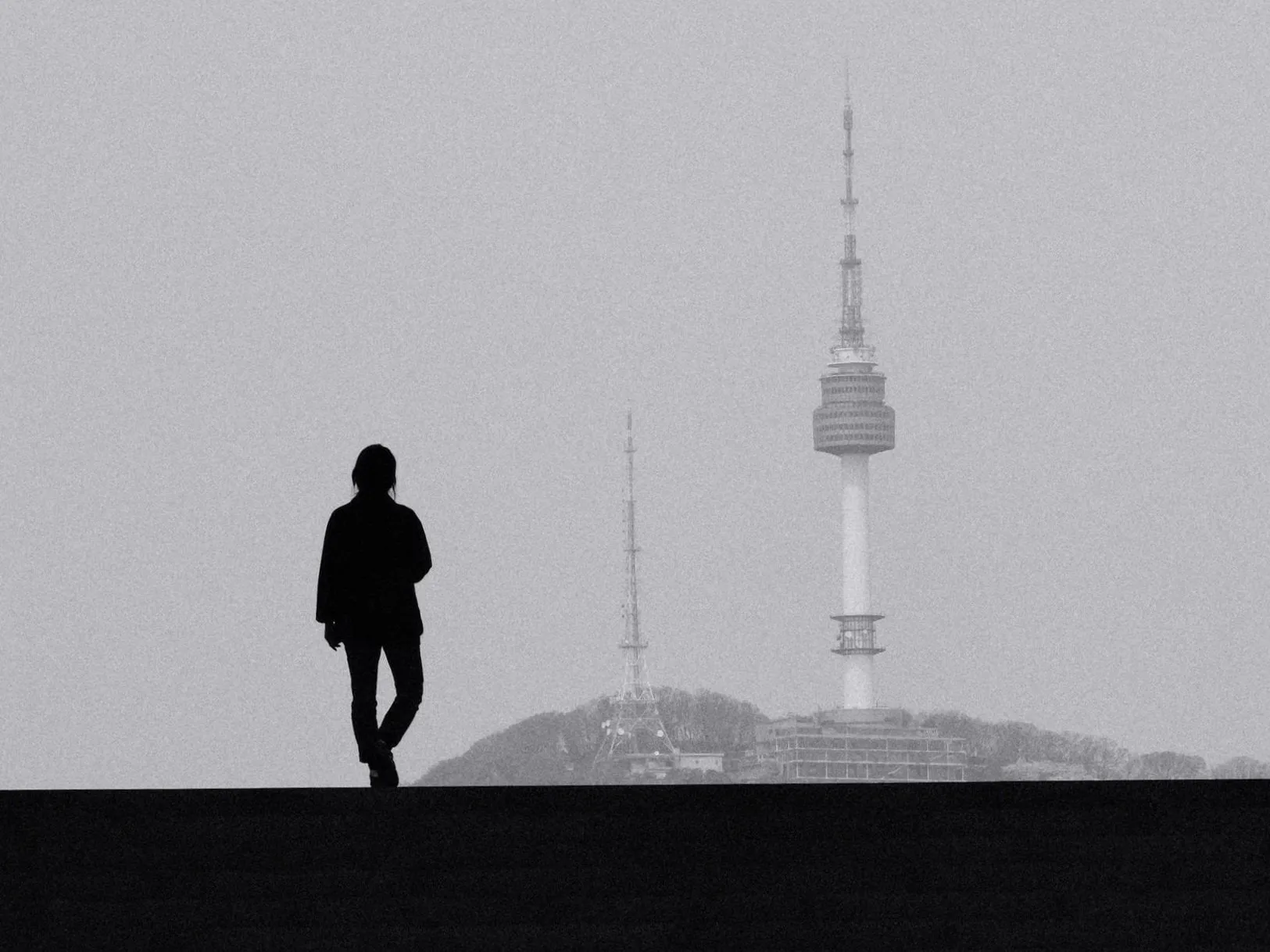 A woman standing on the steps of the National Museum, with Namsan Tower in the background
Contents:
- General tips and considerations for photographing Seoul
- Dongdaemun Design Plaza (DDP)
- Gyeongbokgung Palace
- Views of Namsan Tower from the National Museum
- Gwangjang Market
- Other notable mentions
- Summary
TL;DR Discover the top photography spots in Seoul that blend tradition and modernity:
- Dongdaemun Design Plaza (DDP): Futuristic architecture perfect for street and night photography.
- Gyeongbokgung Palace: A royal palace offering stunning historical and seasonal photo opportunities.
- National Museum of Korea and Namsan Tower: A mix of cultural depth and sweeping city views.
- Gwangjang Market: A vibrant traditional market ideal for candid street photography.
General tips and considerations for Photographing Seoul
Getting around Seoul is easy thanks to the public transportation system including subways and buses. Get yourself one of the chargeable prepaid transportation cards and use that to explore the city, as well as pay for items, for example at convenience stores.
Metro and bus transport is very easy, though you will for sure want to do plenty of exploring on foot. The areas around Gyeongbokgung, Eulji-ro and generally around the city are packed with alleyways and small streets, and some of the fun about exploring Seoul is encountering all of the fleeting moments in these hidden areas.
Be respectful when photographing locals, especially in traditional or religious settings.
Early mornings and evenings often offer the best natural light for photography, and weekdays tend to be less crowded at popular spots.
1. Dongdaemun Design Plaza (DDP)
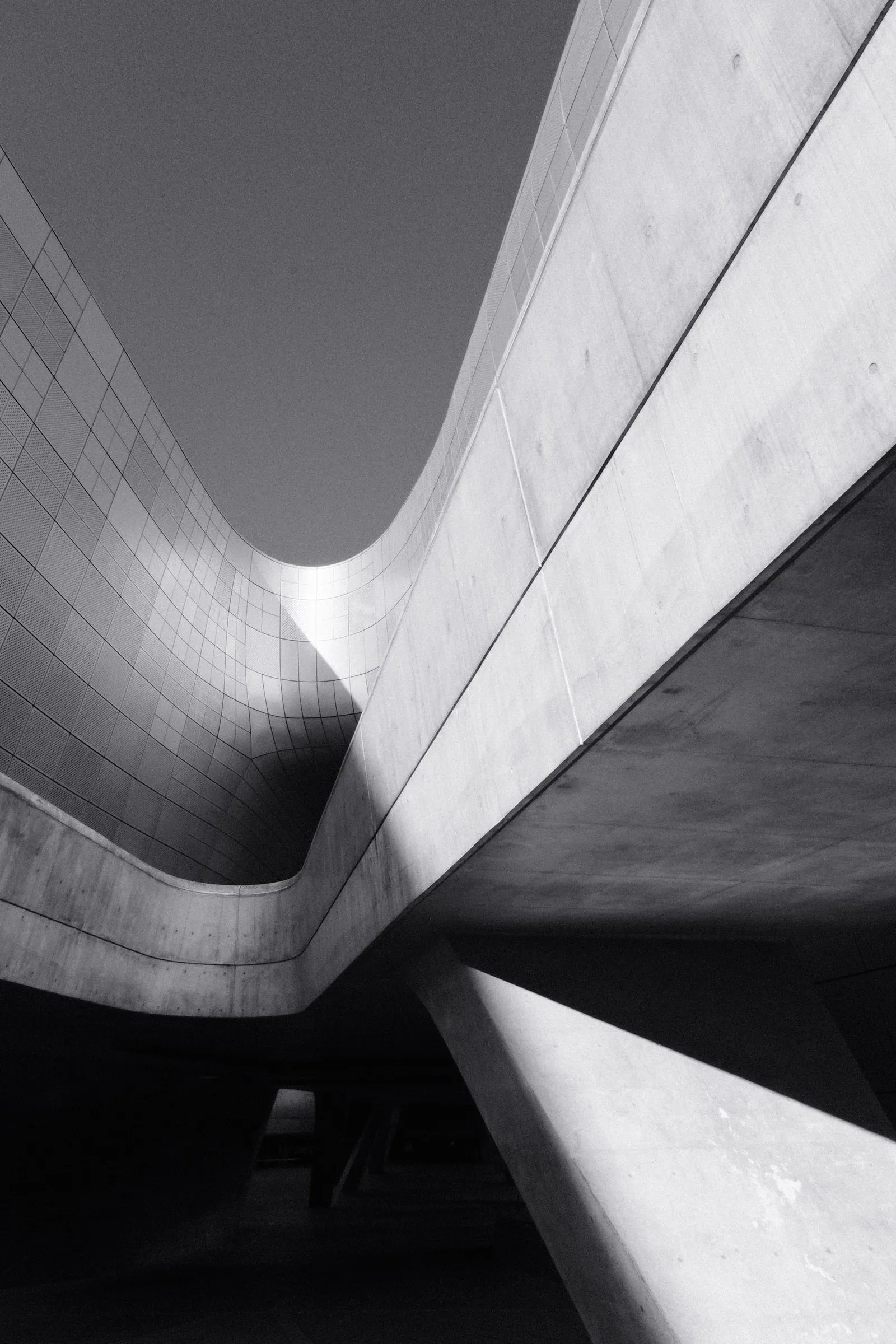
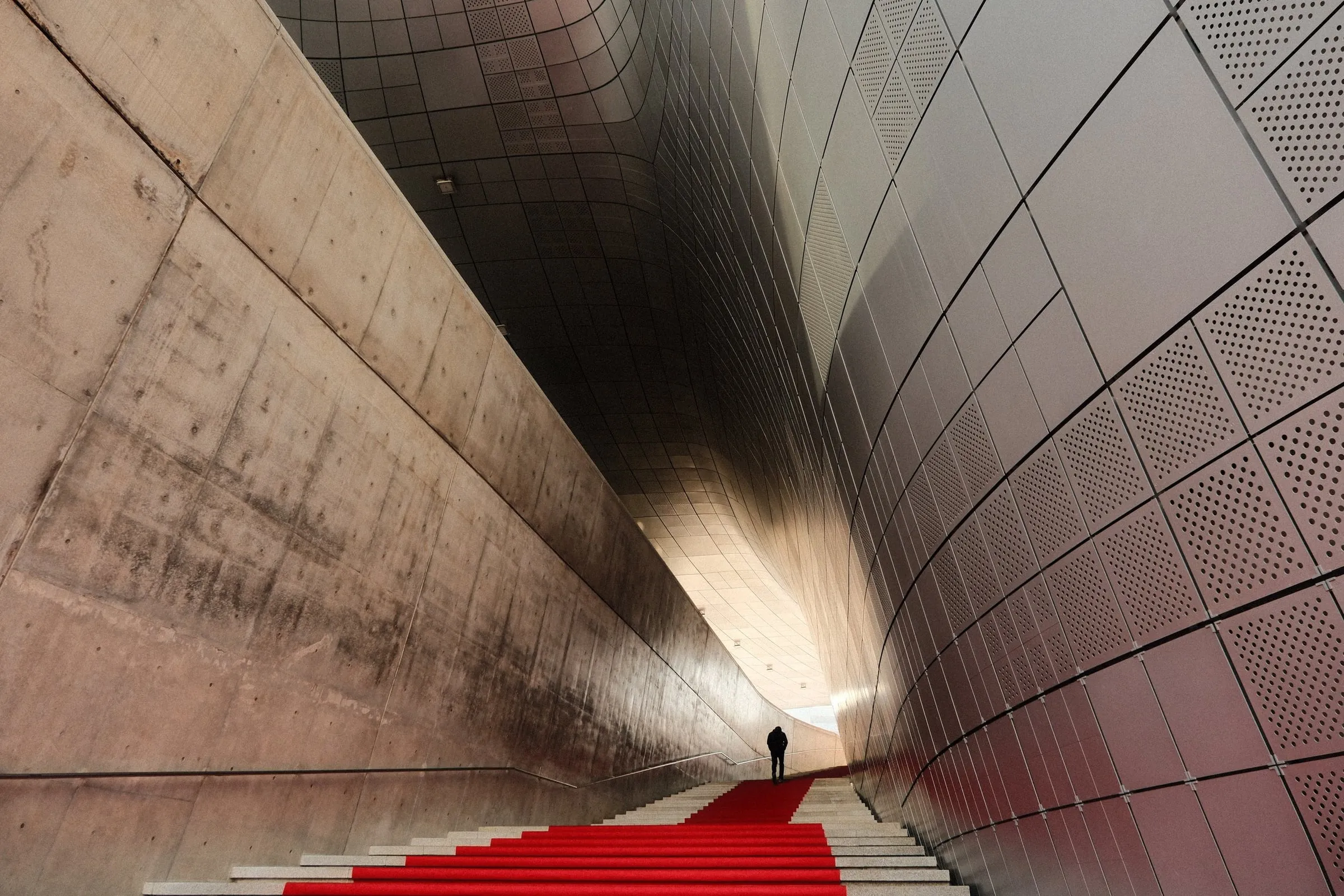 A man walks up the steps at Dongdaemun Design Plaza in Seoul
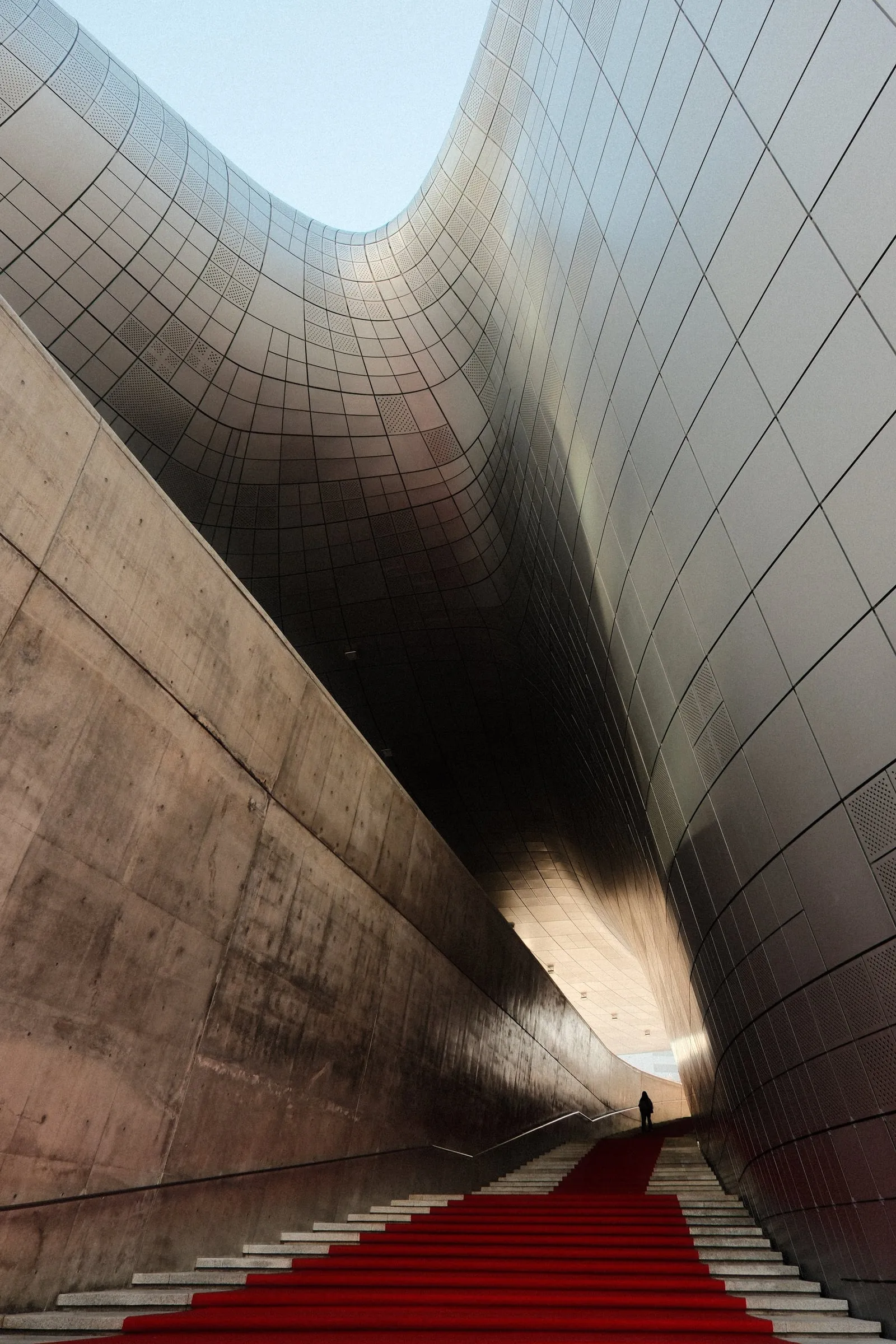
Dongdaemun Design Plaza is a must-visit for any photography enthusiast. Designed by Zaha Hadid, this futuristic structure boasts curving architecture, illuminated pathways, and plenty of photo opportunities both day and night. It’s a hotspot for street photography and Instagram-worthy shots.
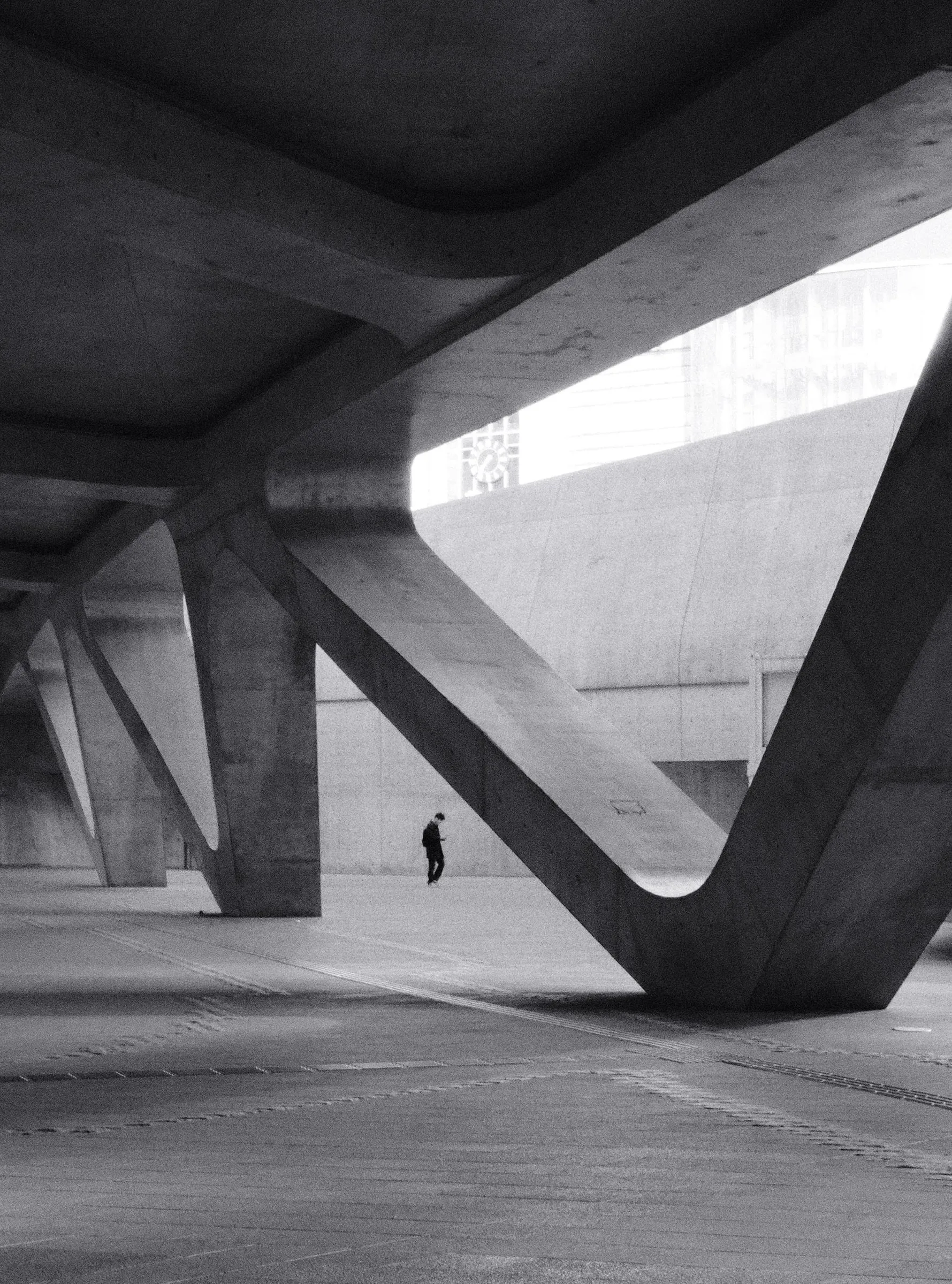
I have never found DDP to be too busy when I visited, and that was always in the morning time. It might get busier later in the day especially around lunchtimes with the local office workers on their breaks, or in the evening times when the light displays are showing.
The benefit of a Seoul photoshoot is that you can be photographing this futuristic building one moment, and then at a traditional hanok building or alleyway just a few moments later.
Information about Dongdaemun Design Plaza
A futuristic architectural marvel perfect for both street and night photography.
- Address: 281 Eulji-ro, Jung-gu, Seoul, South Korea
- Hours: Open 24 hours (specific exhibits may vary)
- Entry Fee: Free to explore outdoor spaces; exhibition fees vary
- Website: ddp.or.kr
- How to Get There: Take Subway Line 2 or Line 4 to Dongdaemun History & Culture Park Station, Exit 1 or 2.
2. Gyeongbokgung Palace
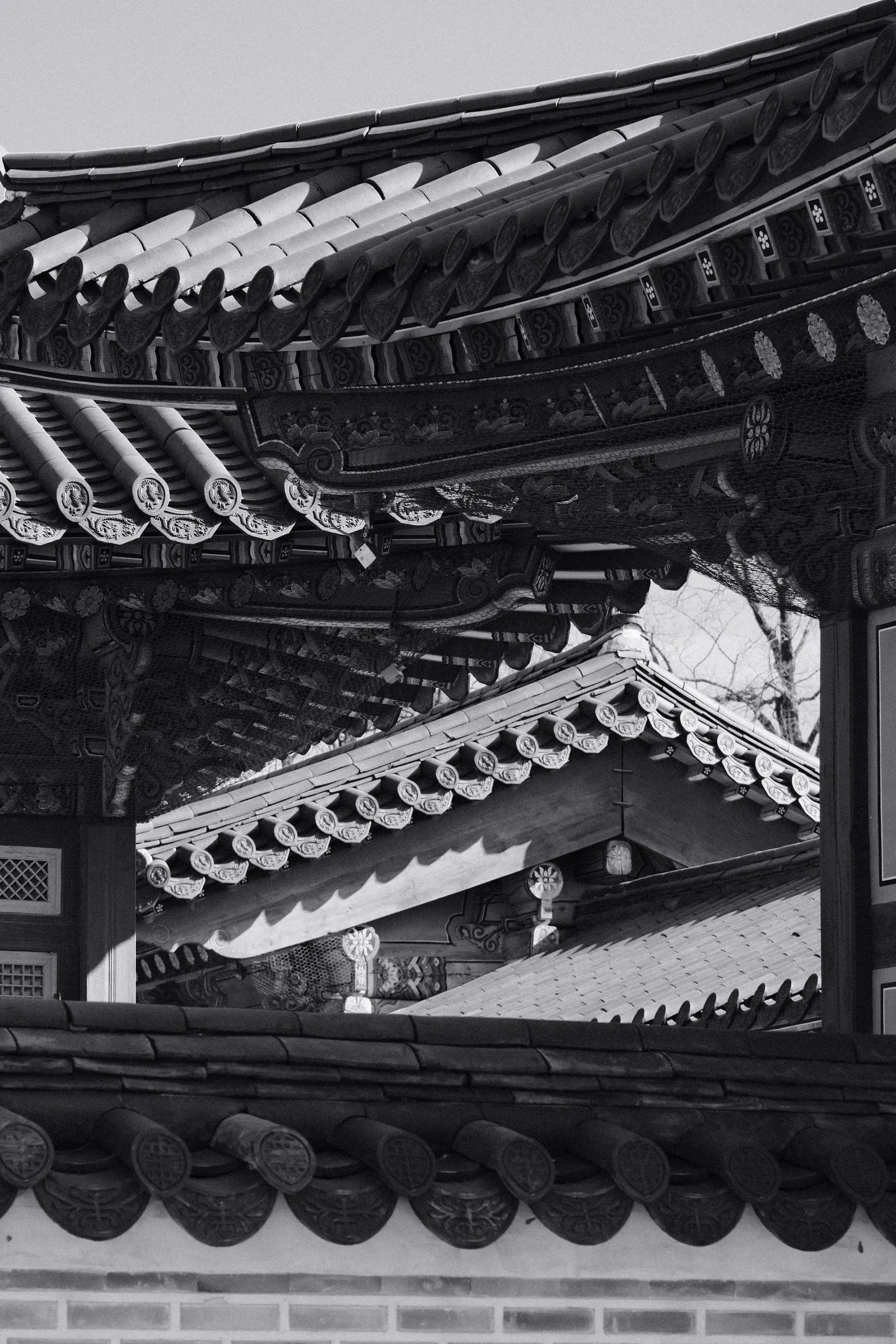
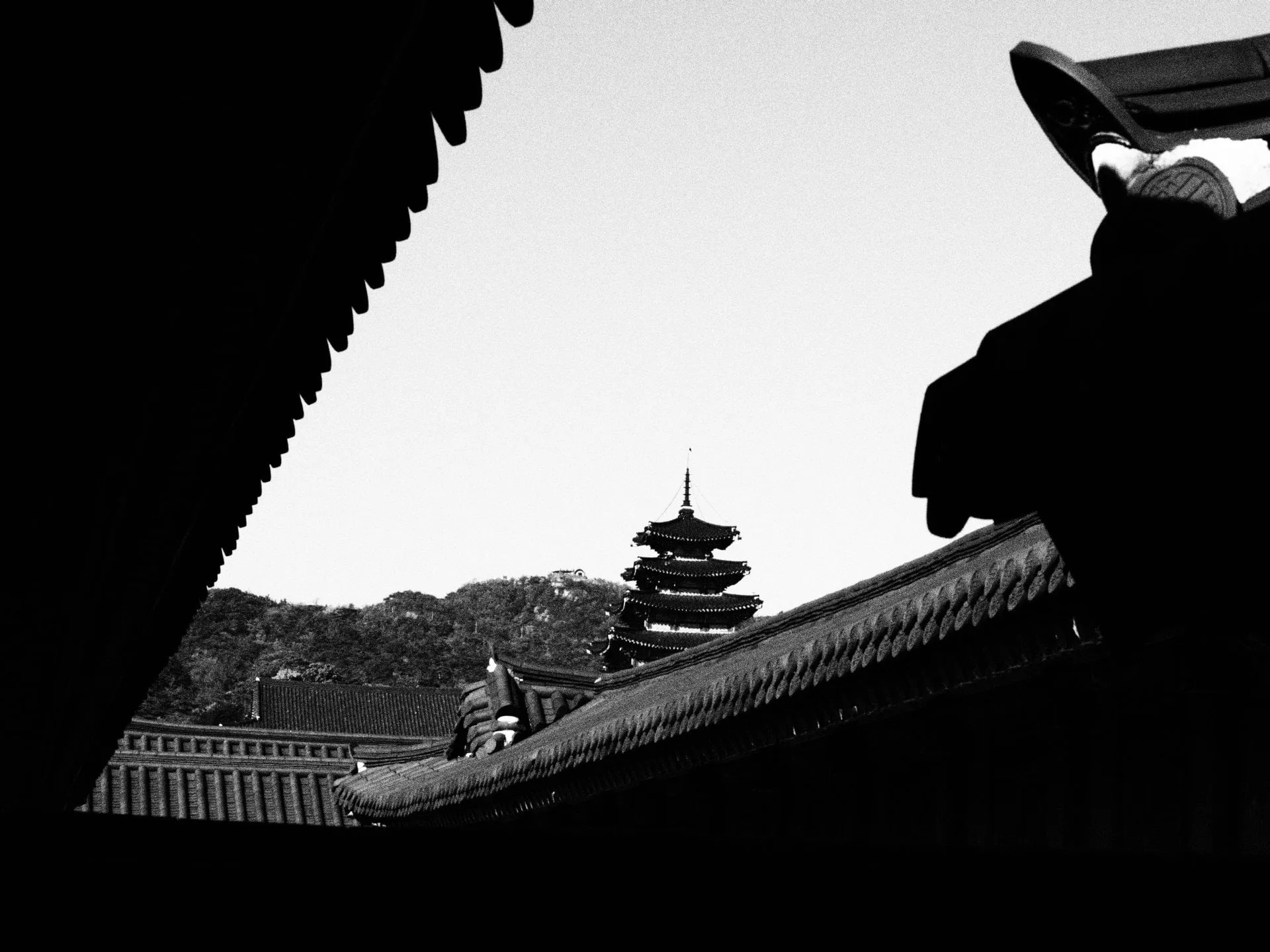
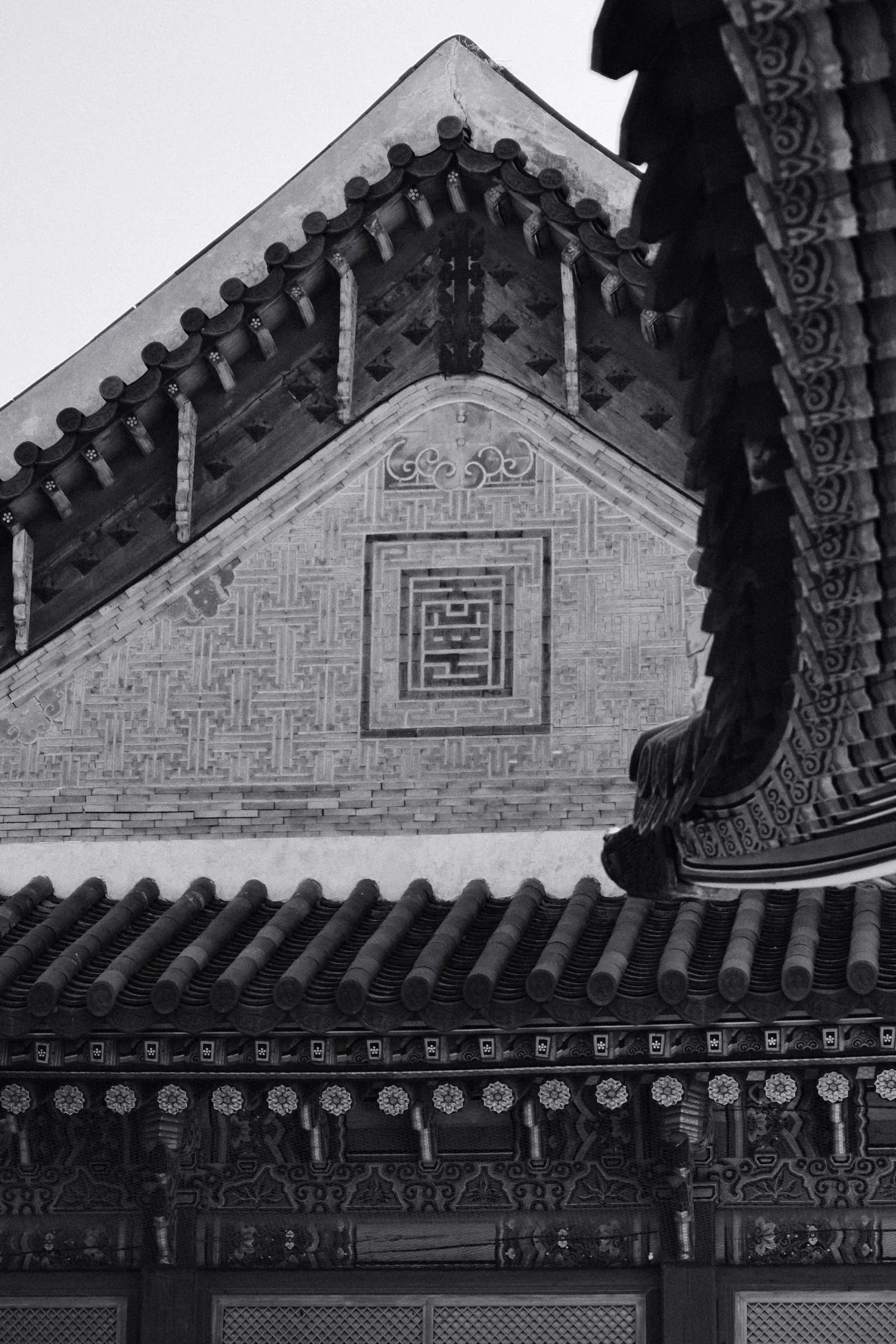
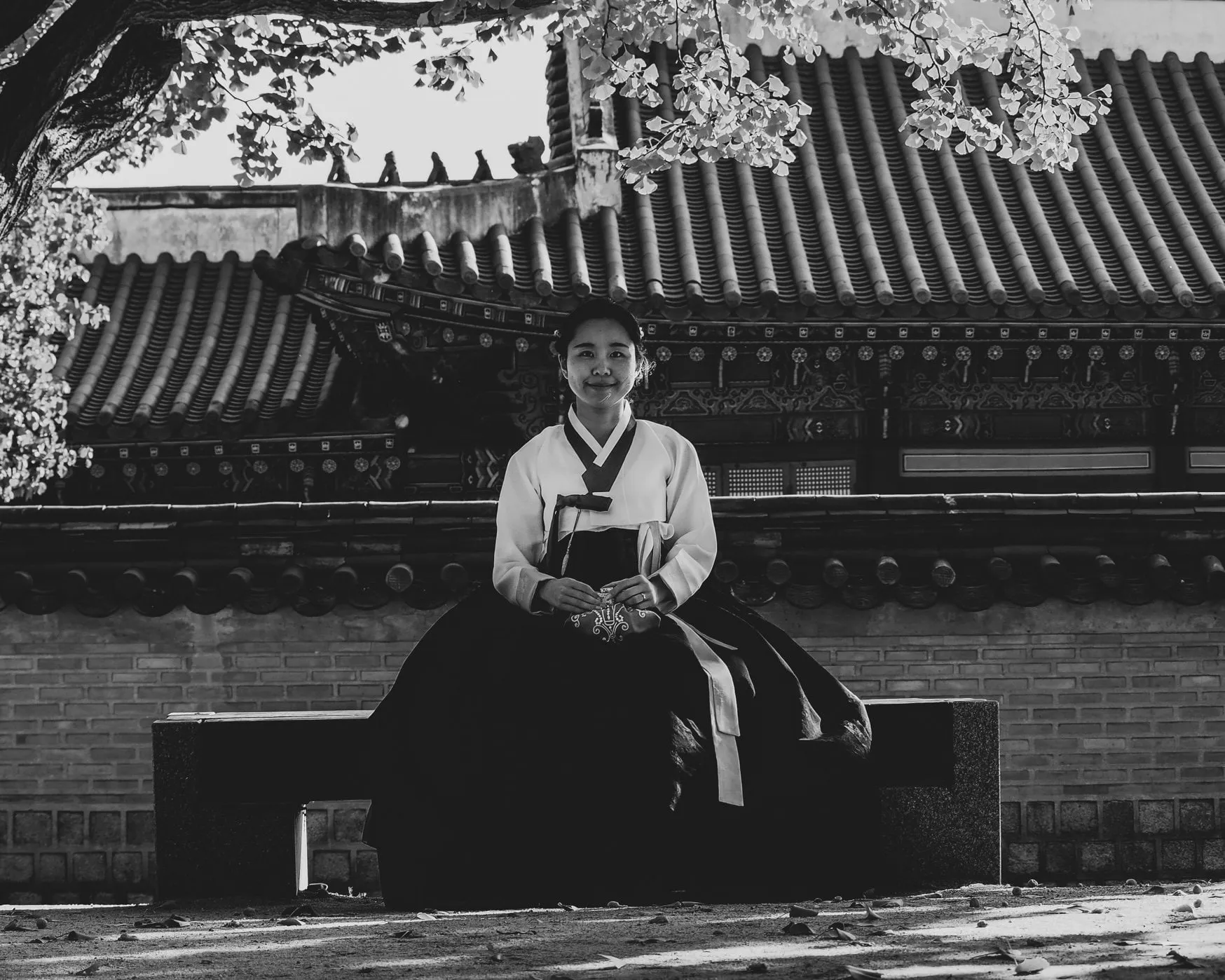
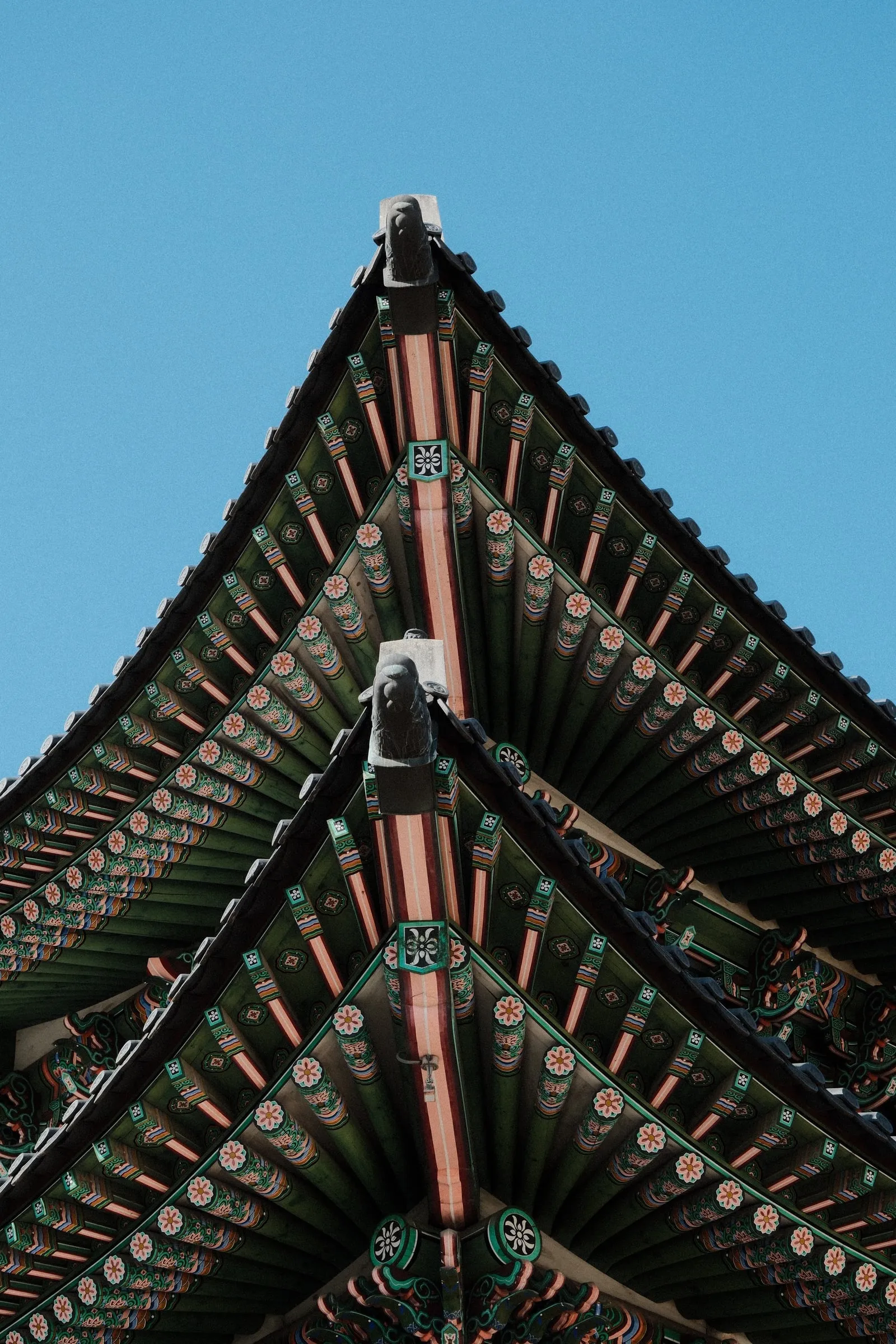
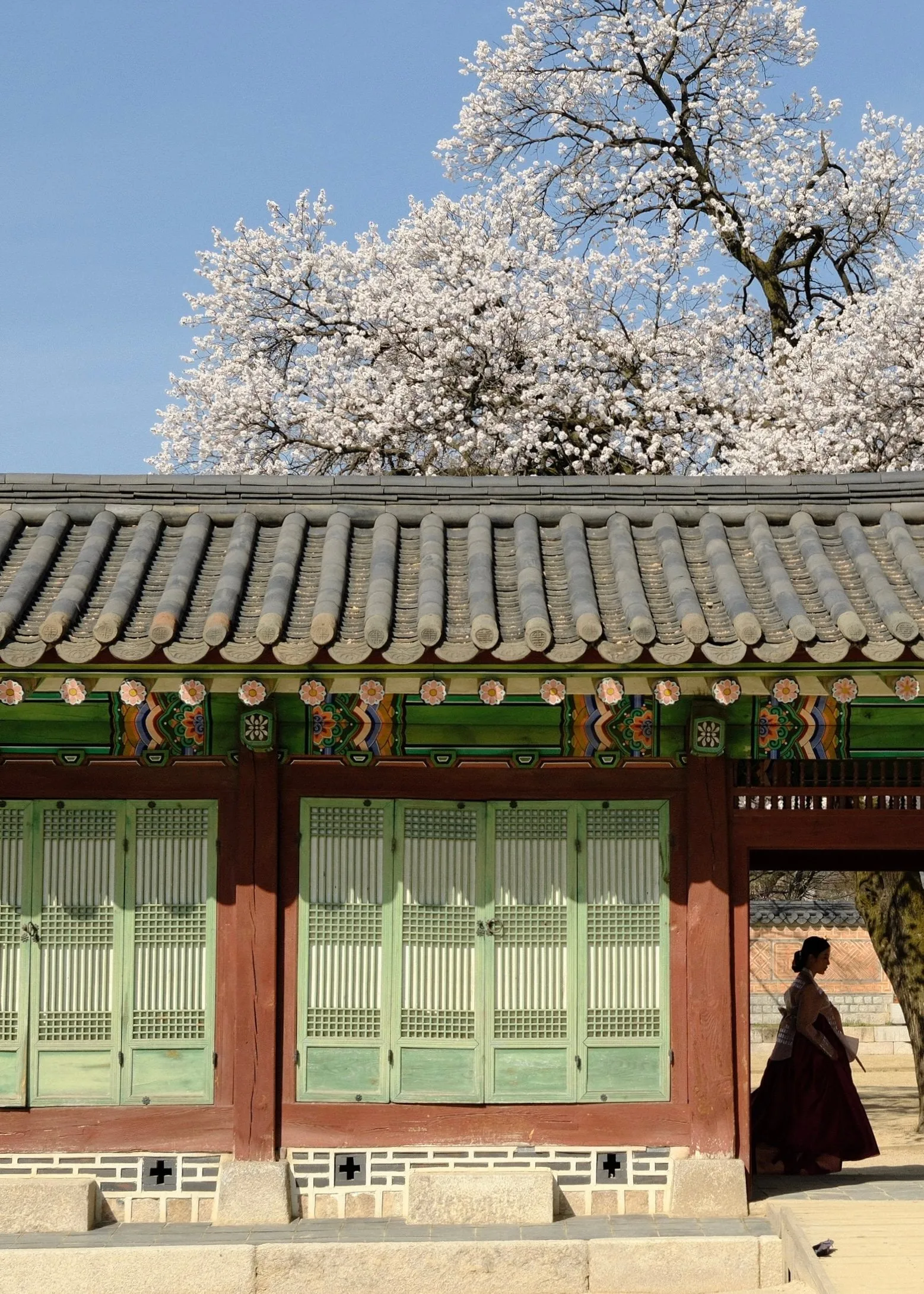
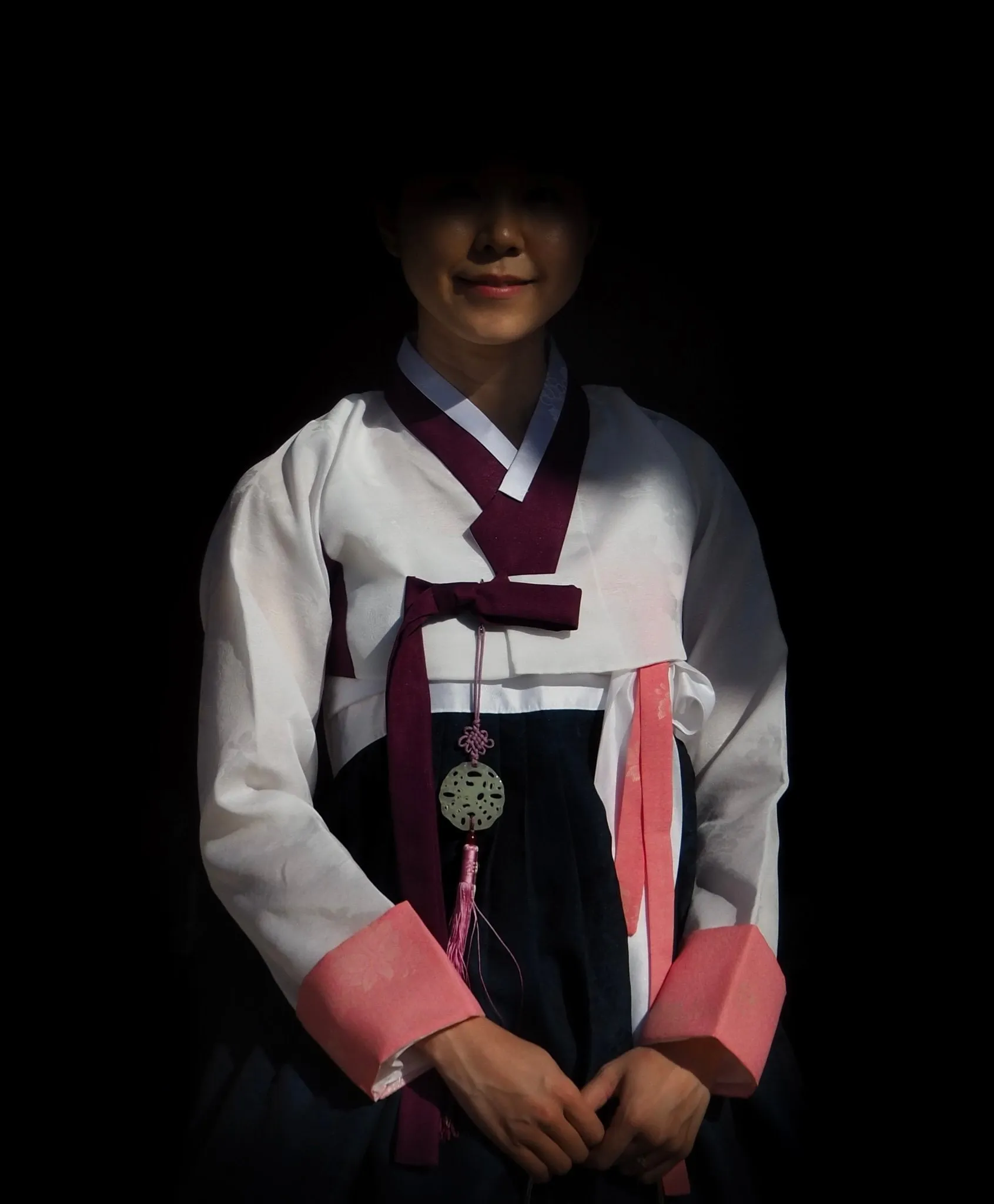
No trip to Seoul is complete without visiting Gyeongbokgung Palace. Built in 1395, this iconic landmark offers a glimpse into Korea’s royal past. The vibrant hanbok-clad visitors add a pop of colour to your photos, and the juxtaposition of the palace against the modern city skyline is stunning.
Gyeongbokgung is notorious for becoming very busy during the day. So I usually plan to visit this location first thing at opening time, which gives a better chance of photographing the main sites before the droves of hanbok wearing selfie-takers arrive.
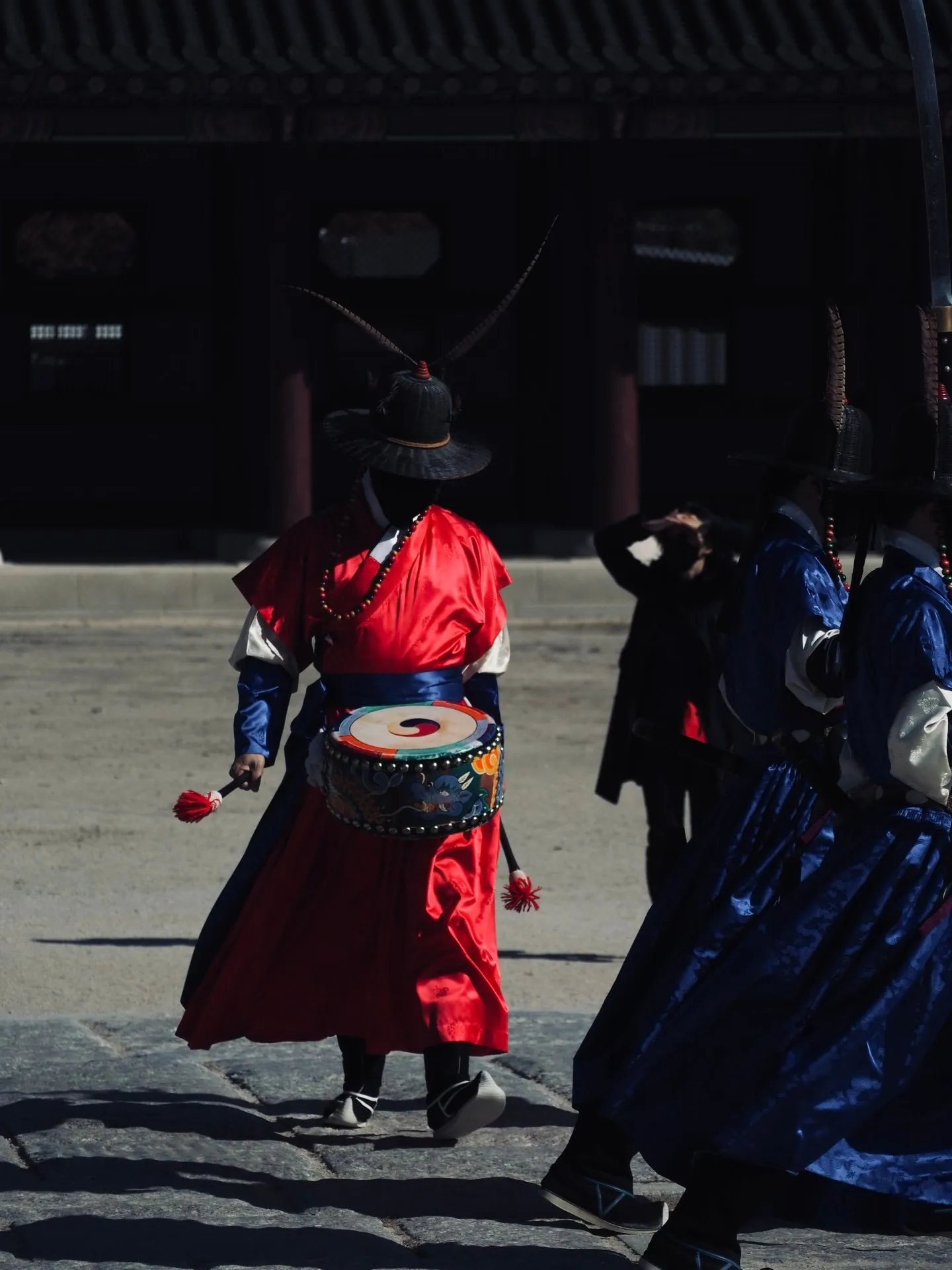
What makes Gyeongbokgung special:
The Changing of the Guard ceremony provides opportunities to photograph the guards in traditional clothing that adds bright colours and dynamic scenes, with the stunning hanok architecture in the backdrop.
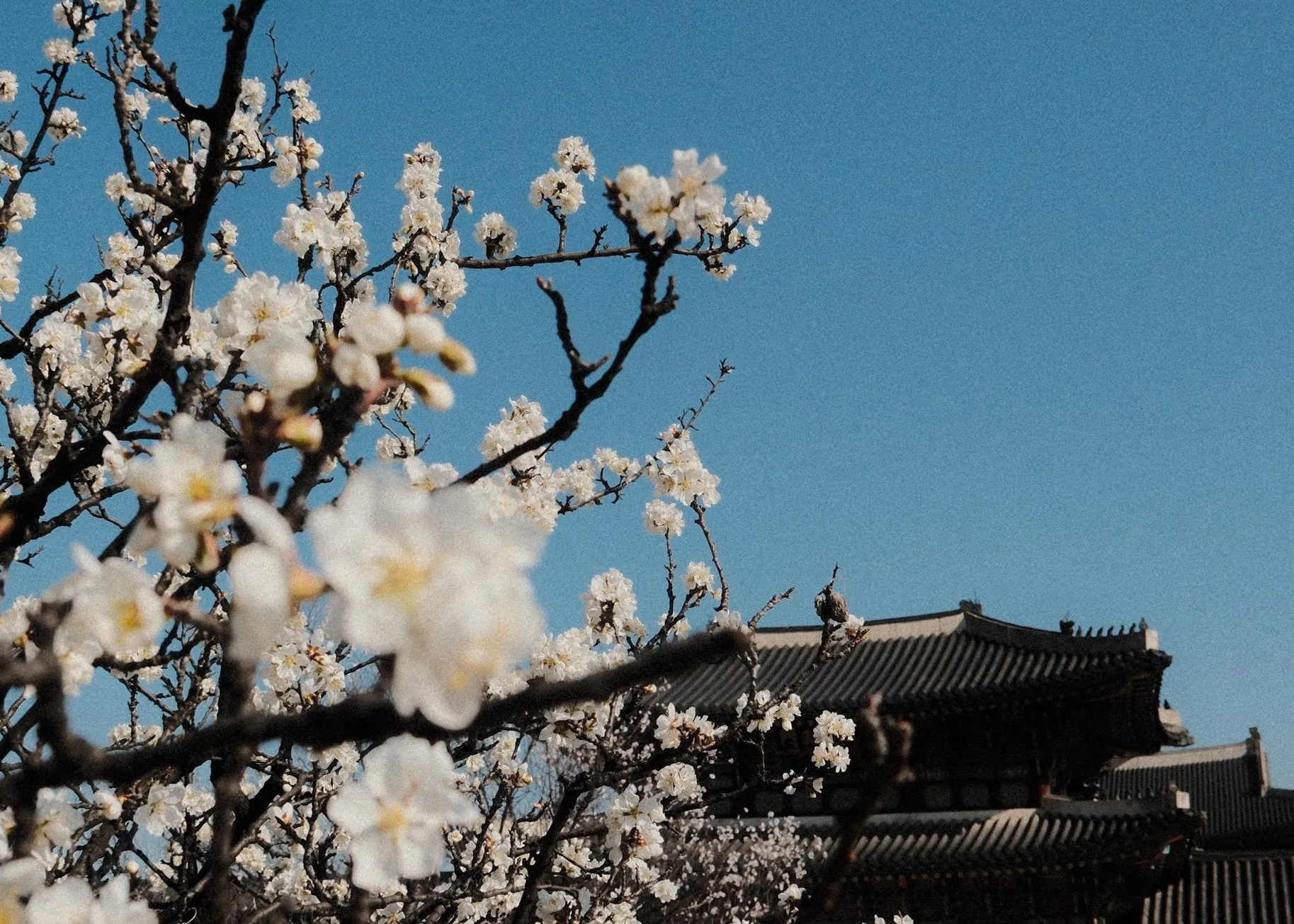
The seasonal flowers in the palace gardens are also a highlight.
The broad variety of ancient buildings and architectural angles to photograph throughout the site.
Information about Gyeongbokgung Palace
A royal palace that showcases stunning historical architecture and vibrant cultural events.
-
Address: 161 Sajik-ro, Jongno-gu, Seoul, South Korea
-
Hours: Open daily from 9 a.m. to 6 p.m. (Closed on Tuesdays)
-
Admission: KRW 3,000 for adults, KRW 1,500 for children, or free entry if wearing a hanbok
-
Website: Gyeongbokgung Palace Official Site
-
How to Get There: Take Subway Line 3 to Gyeongbokgung Station and use Exit 5. The palace is just a few minutes’ walk from there.
3. Views of Namsan Tower from the National Museum
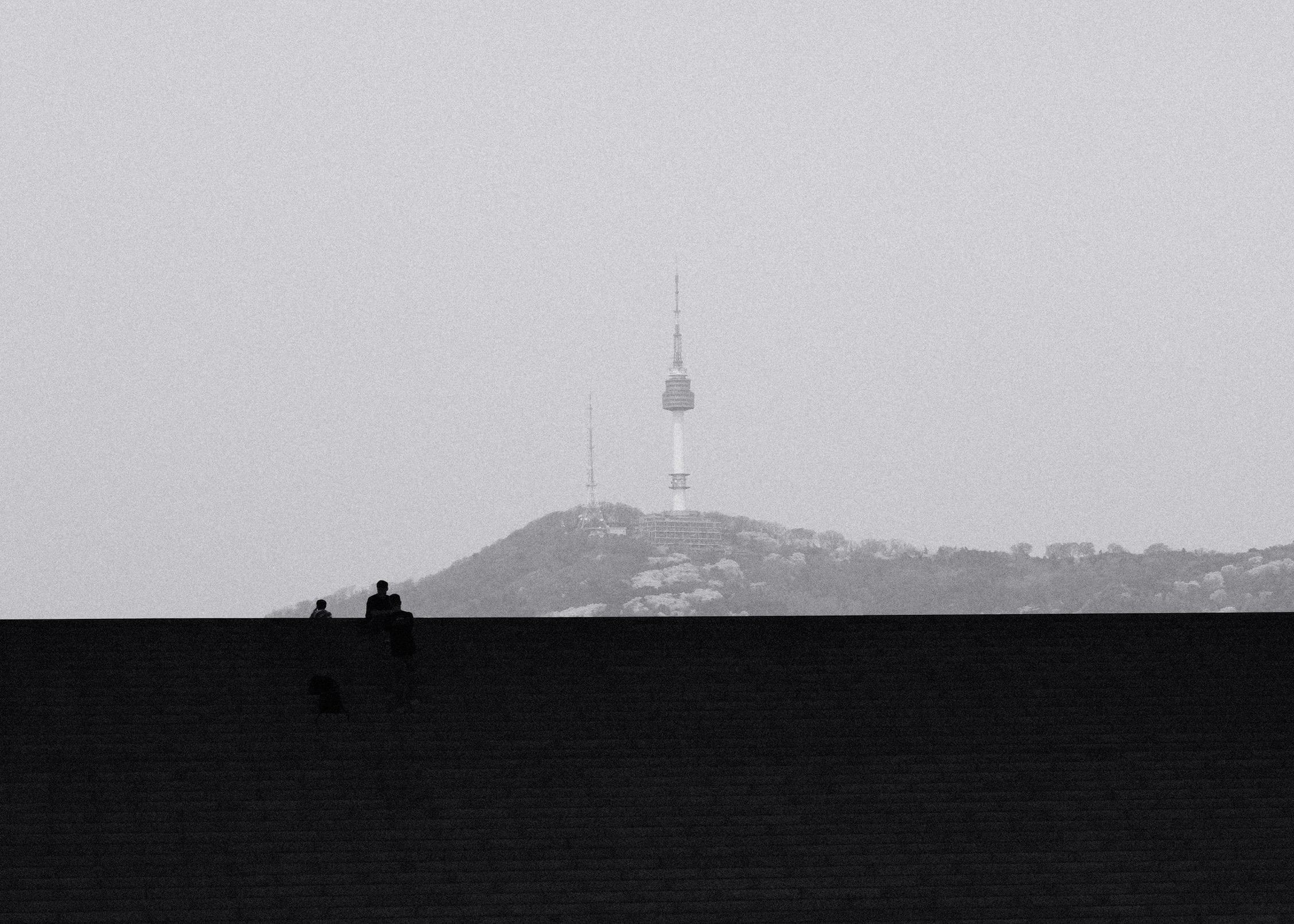
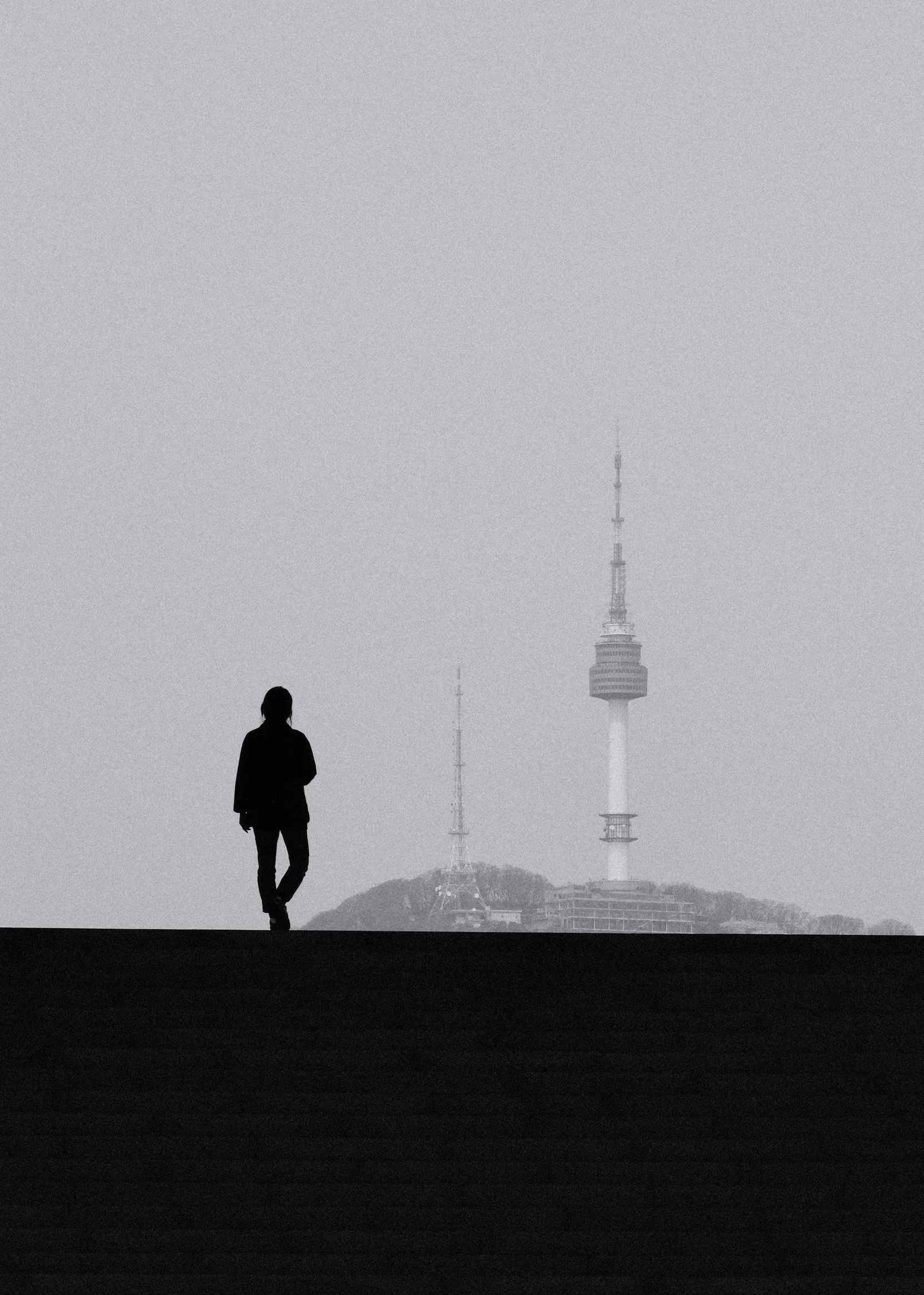
One of the best views of Namsan Tower can be found from the steps of the National Museum of Korea. This spot provides an ideal composition for photographing the iconic tower rising above the city skyline. This is overall my top photo location for Seoul.
In the grounds of the Museum there is also a pagoda and pond which are great for photography in good conditions.
Non-photography tip: The museum is excellent, free to enter, and you’ll find the best quality souvenirs at the museum store… Avoid Insa-dong and do your shopping there.
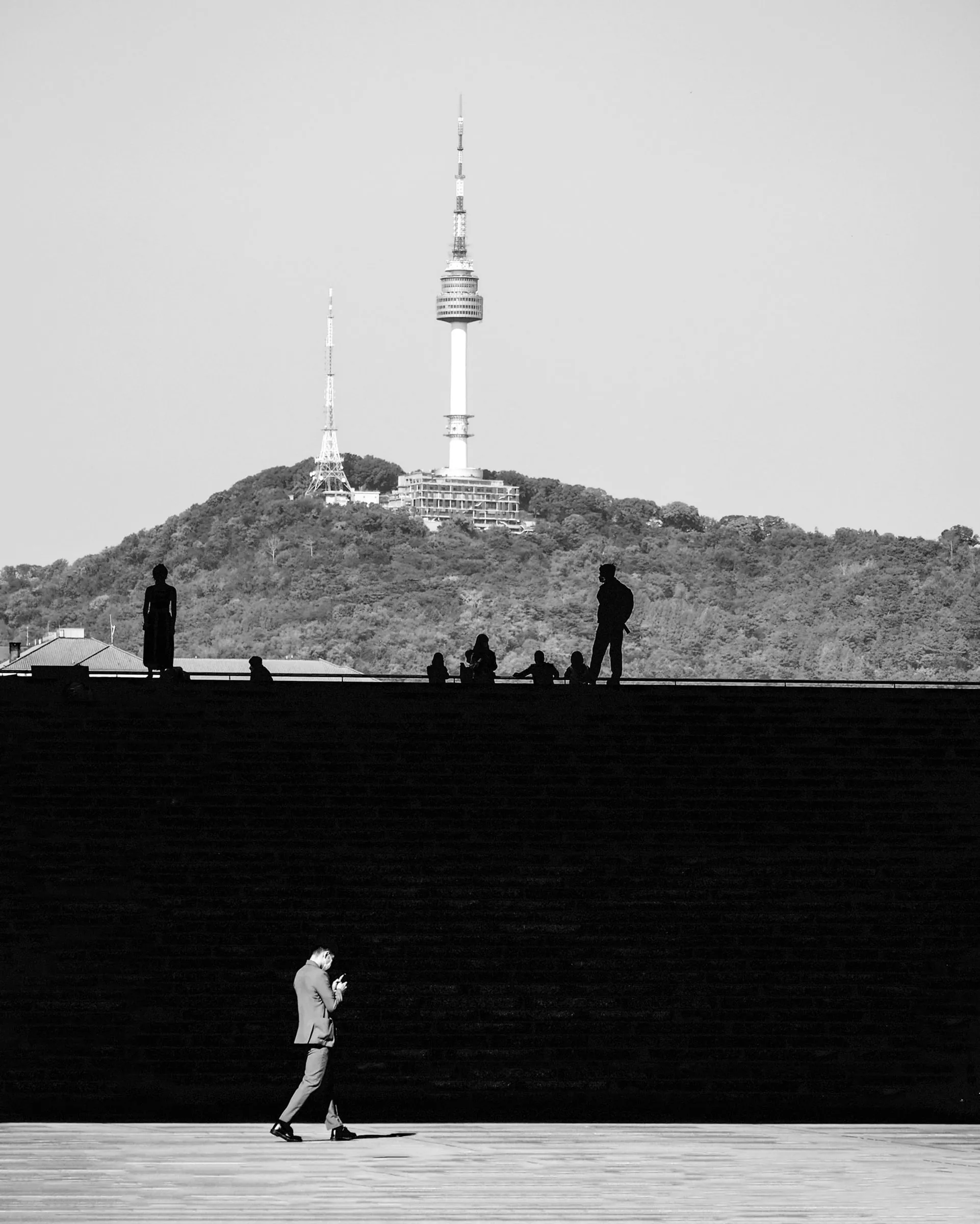 A worker walks along the steps of the National Museum
Information about the National Museum
An iconic vantage point with stunning views of Namsan Tower from the steps of the museum.
- Address: 137 Seobinggo-ro, Yongsan-gu, Seoul, South Korea
- Hours: 10:00 AM to 6:00 PM when I visited. Opening days and times may have changed, so it’s worth checking the latest opening times on the museum website before you go.
- Entry Fee: Free
- Website: museum.go.kr
- How to Get There: Take Subway Line 4 to Ichon Station, Exit 2. The steps are next to the main entrance to the museum.
4. Gwangjang Market
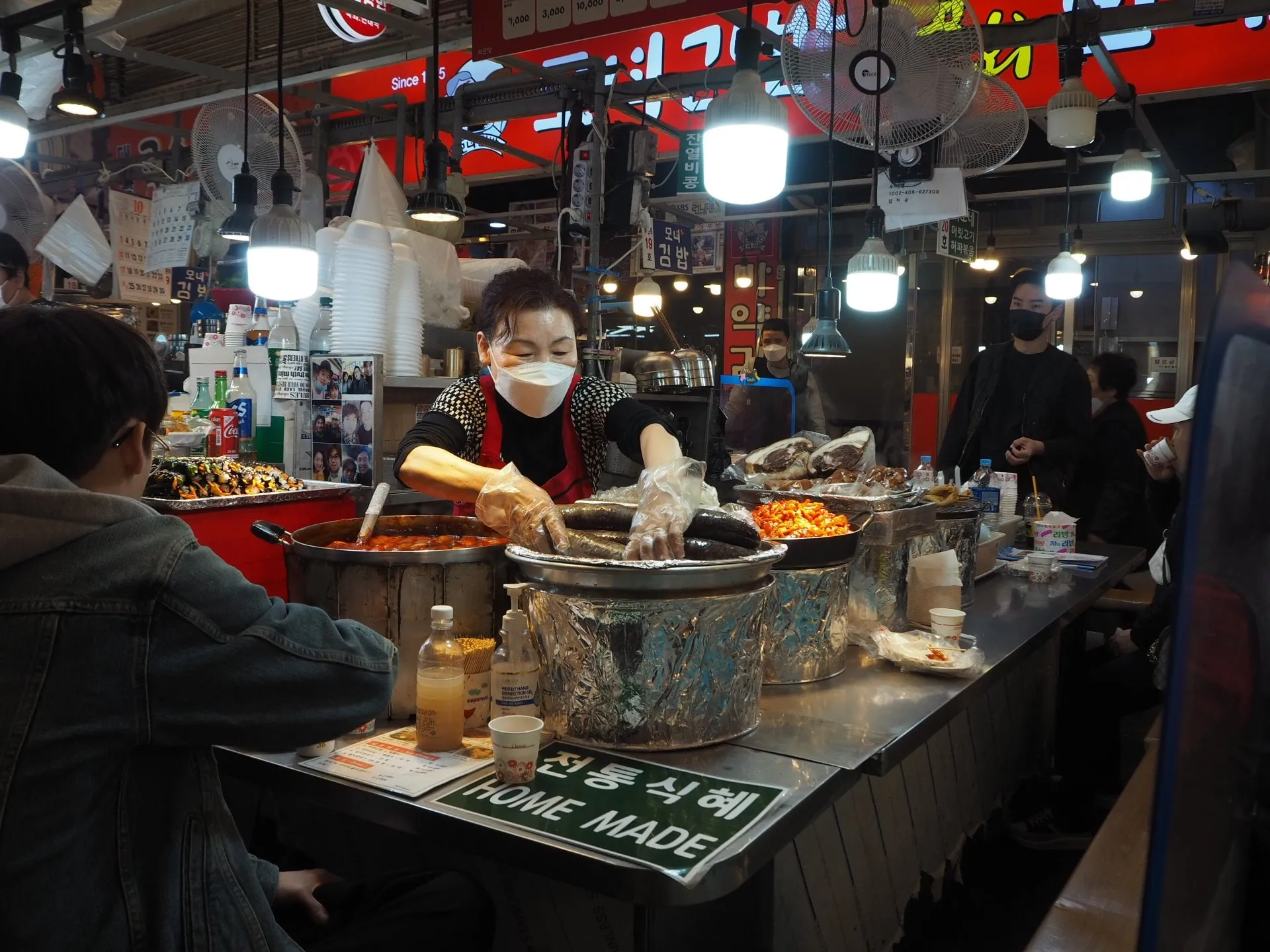
Gwangjang Market is one of Korea’s oldest traditional markets, and still keeps its traditional vibe going strong.
The market is packed with a vibrant atmosphere with endless food stalls, fabric shops, and bustling crowds. It’s an excellent spot for candid street photography and always one of my favourite locations to photograph in Seoul.
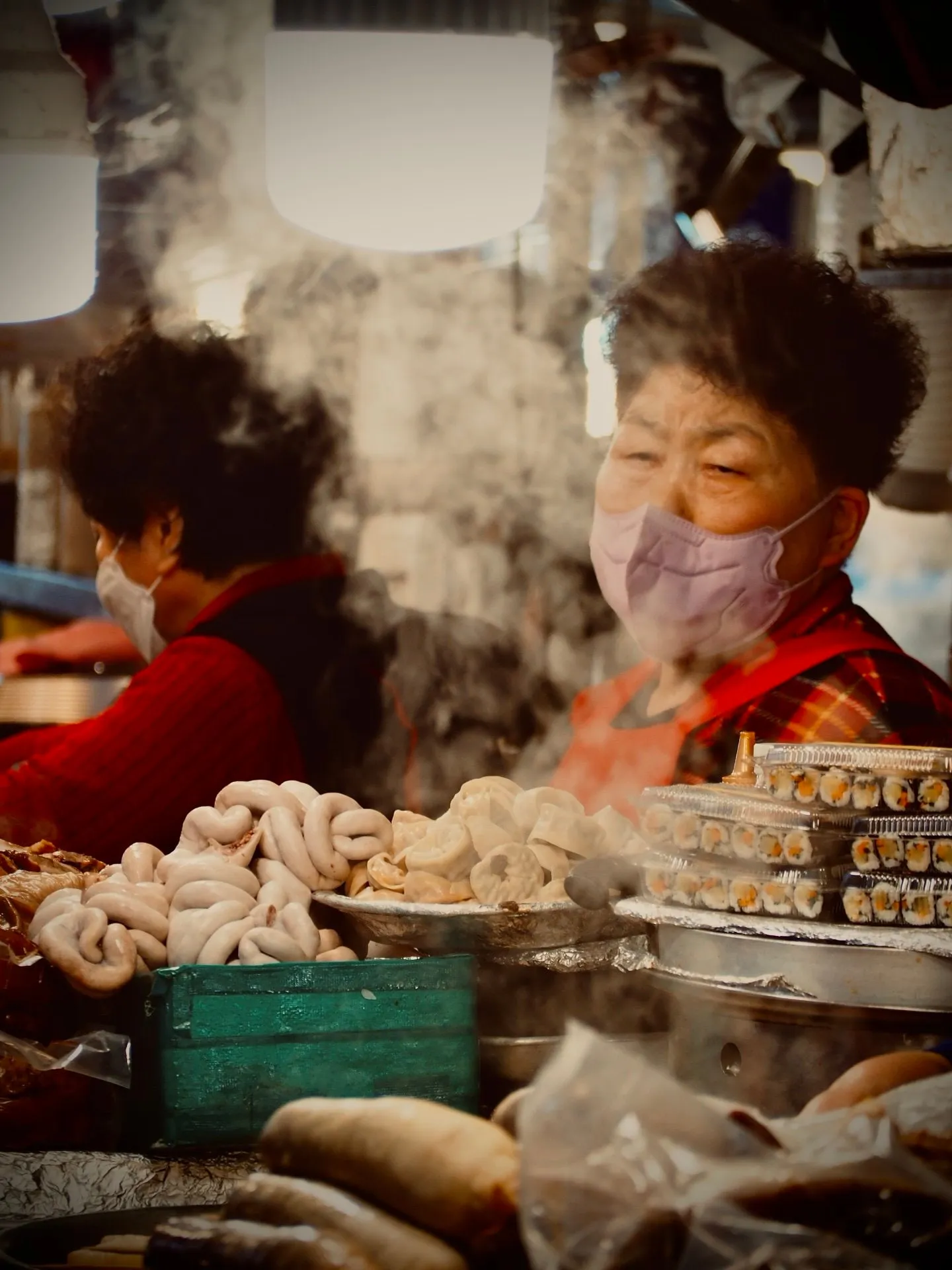
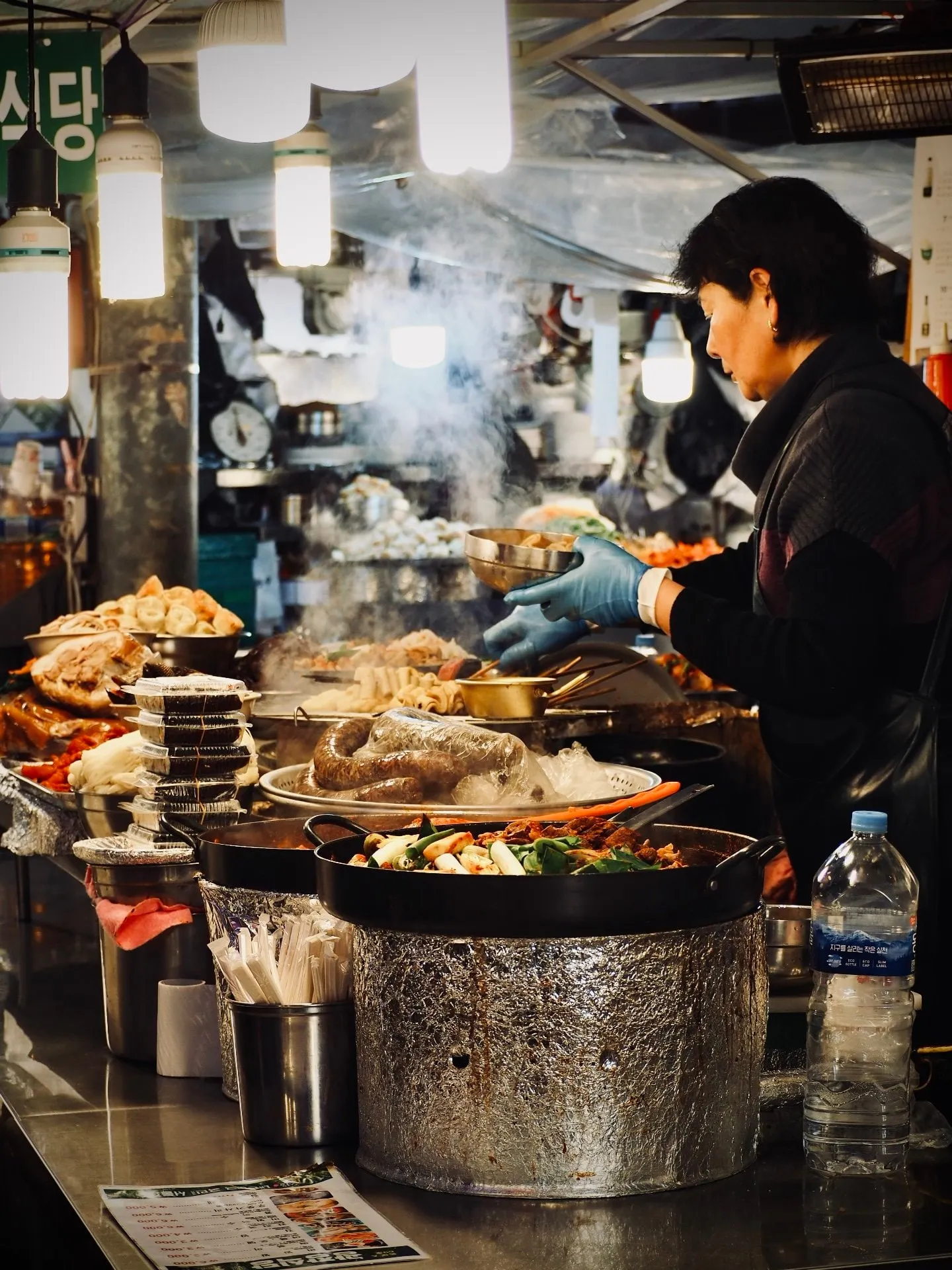
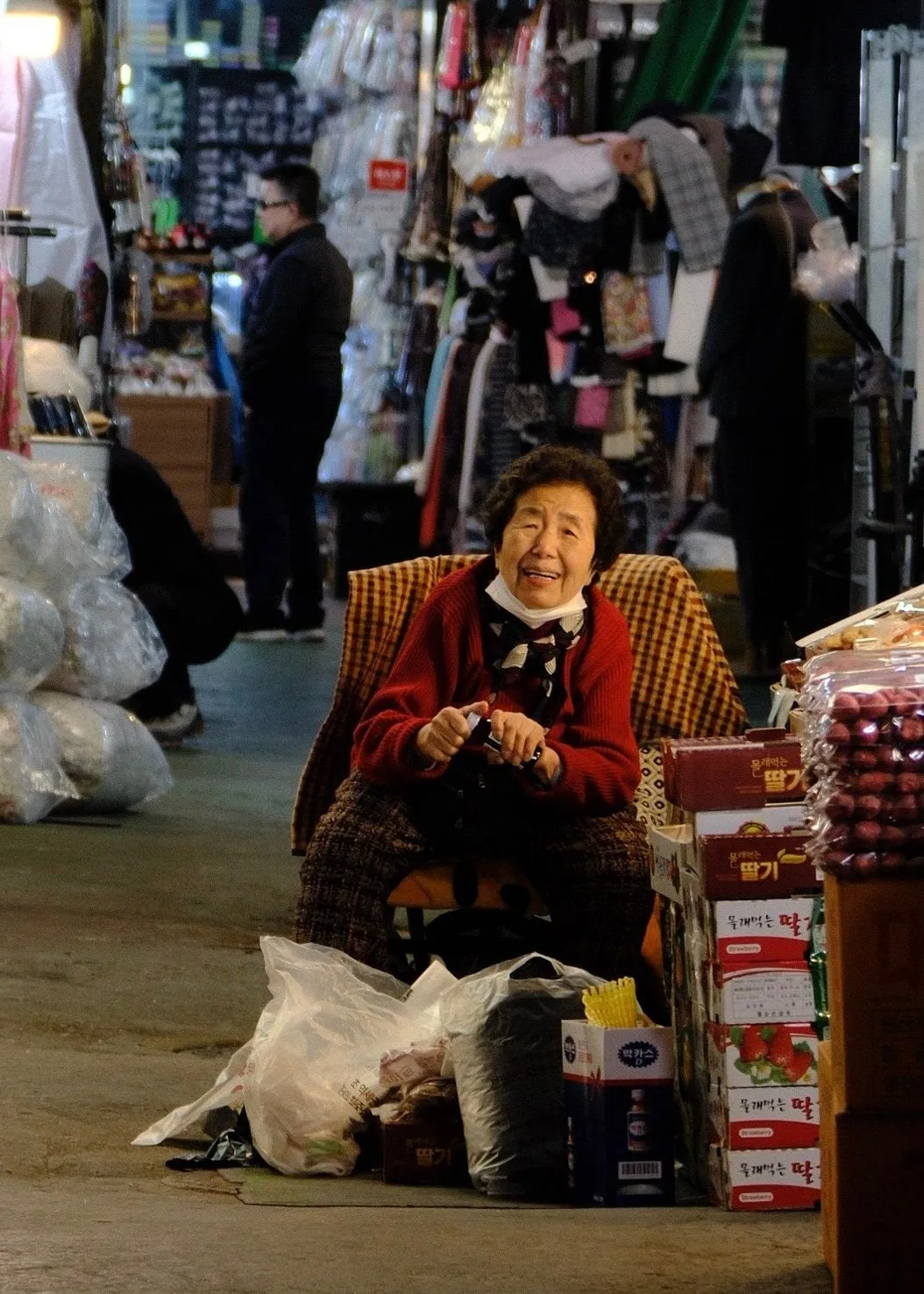 Photographing Gwangjang Market
The energy and colours of the market make it a lively backdrop for street shots. There is always loads of activity going on, and you get the feeling that you’re transported back to old Korea when walking around.
I’ve noticed over the past 4 years of visiting Gwangjang Market that the locals who work and visit the market are much more open to people taking photos, and having interactions with tourists.
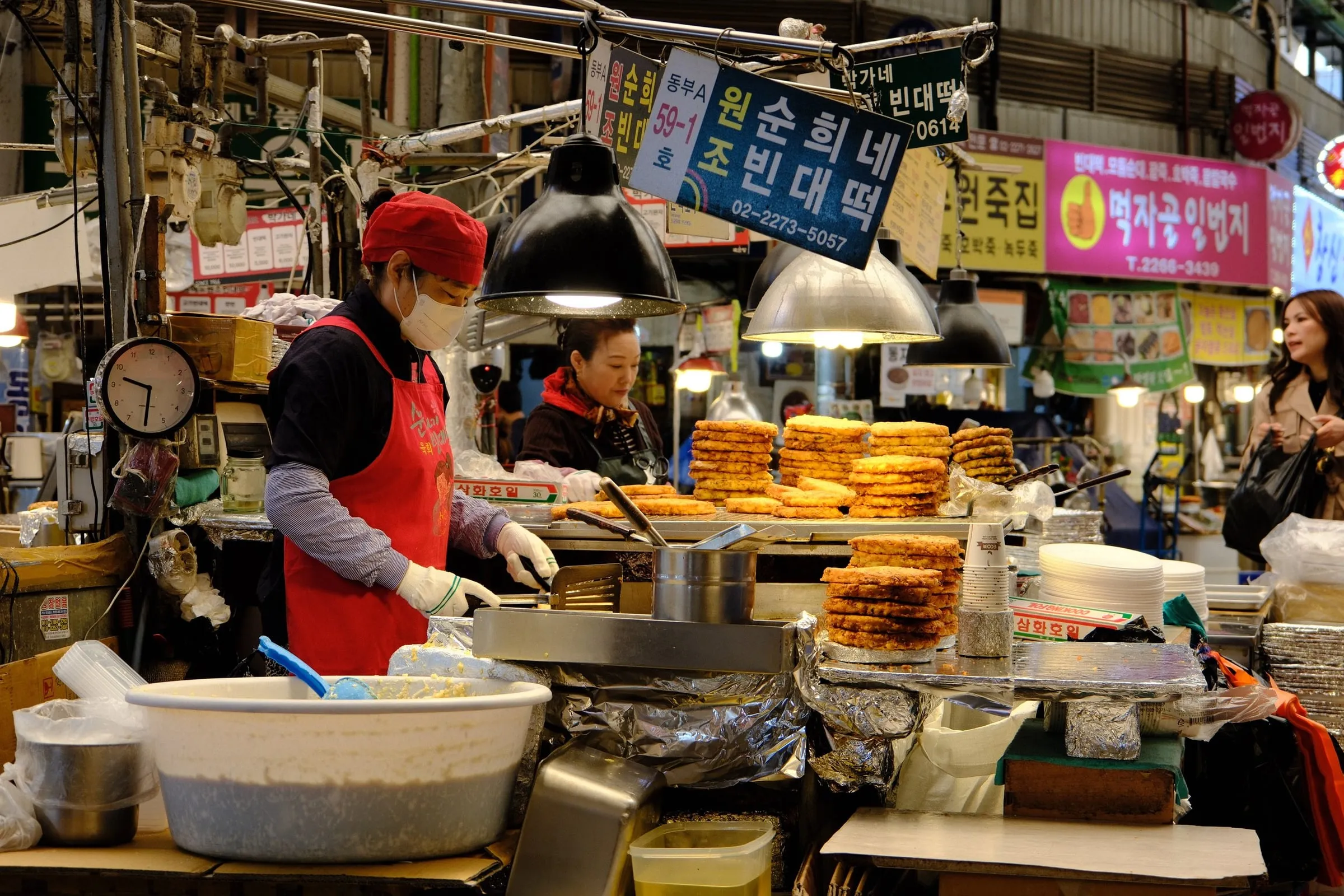
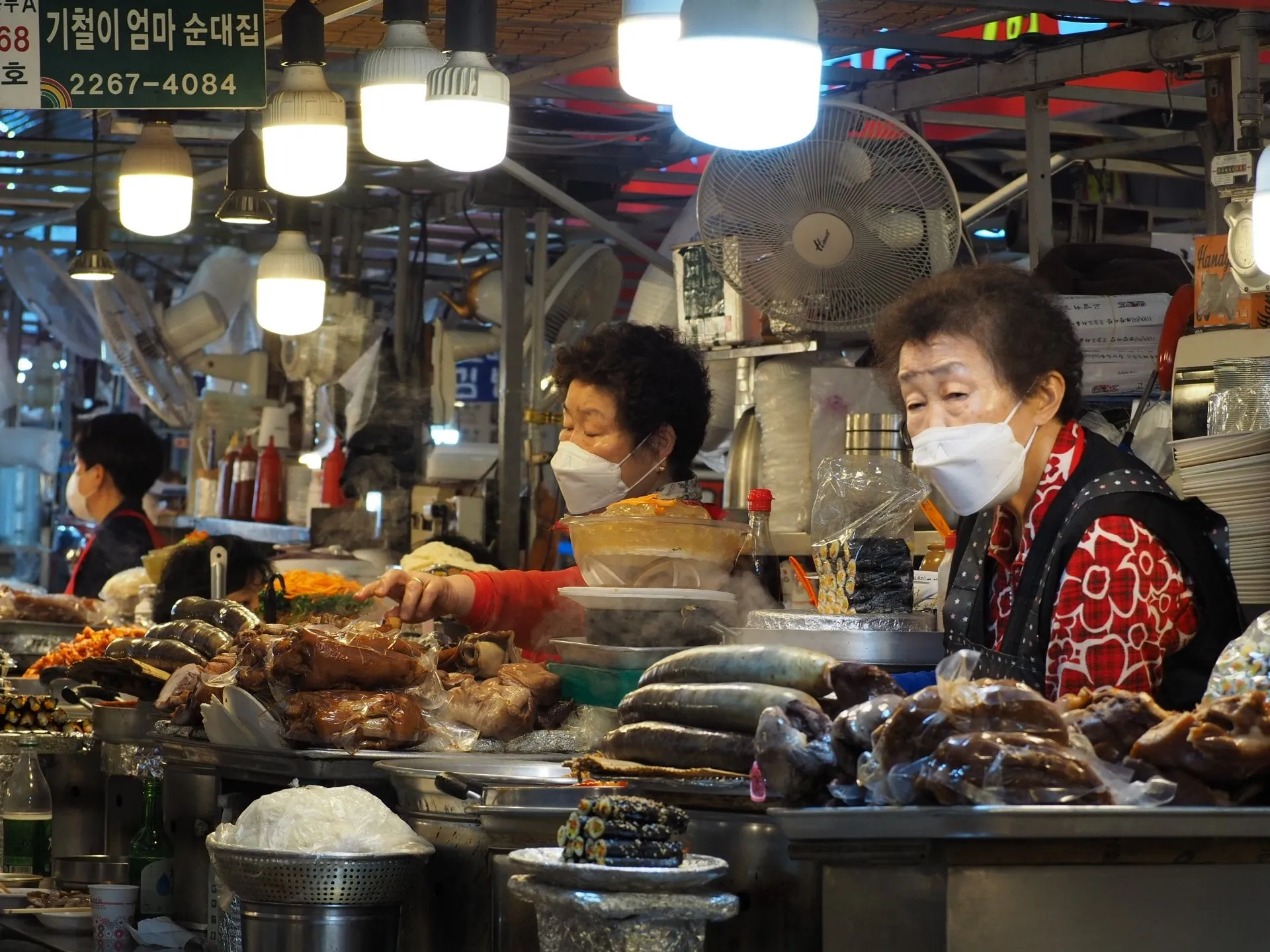
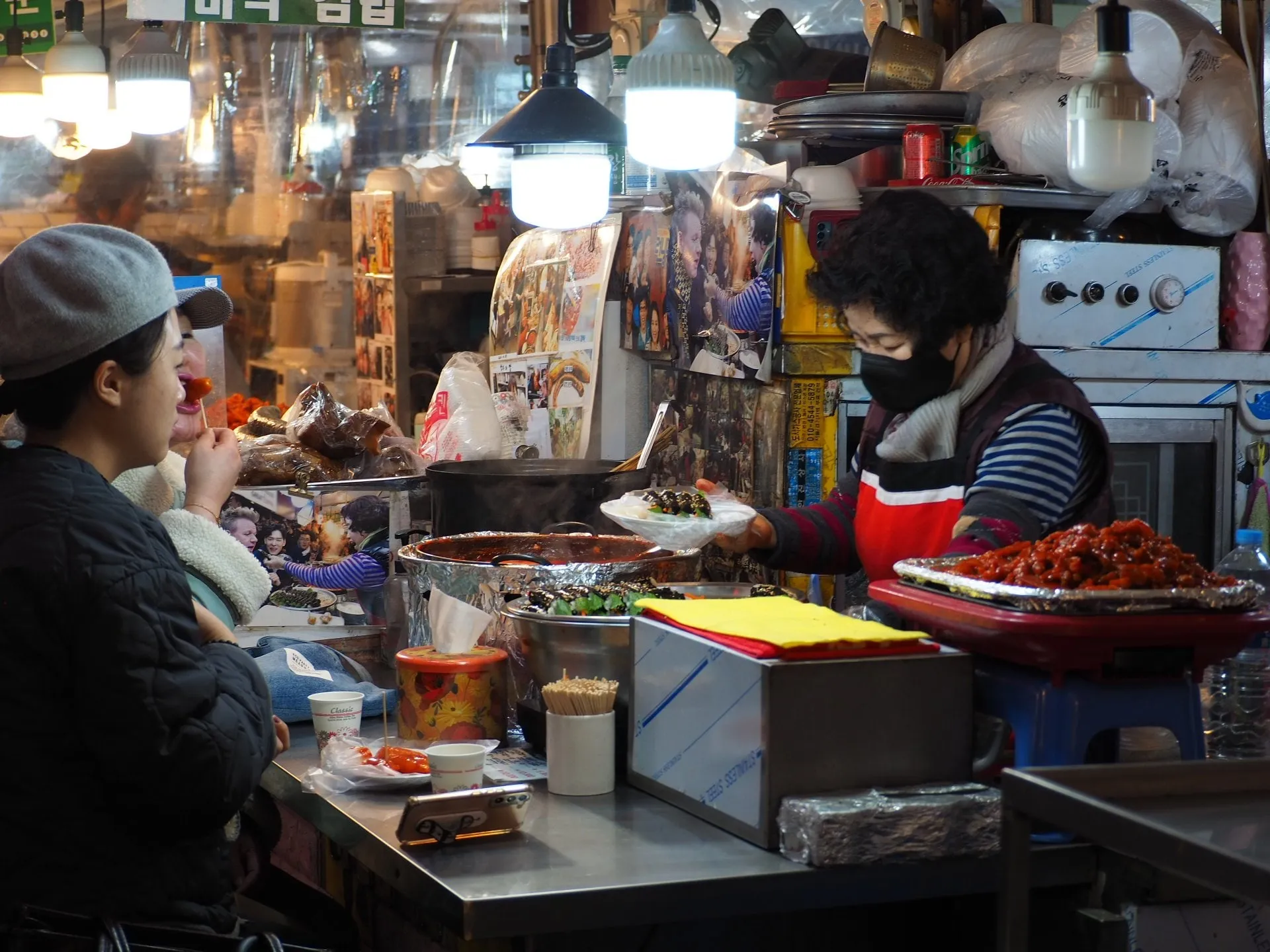
During my first visit in 2019 I went to the market in the afternoon on the weekend, and it was really busy, possibly too busy to find decent compositions without too many people in the way (and importantly without me interrupting people shopping or having food). Since then I have always visited at 9am around opening time, to catch the atmosphere of the market in the morning light, and without the main crowds already there (beware it can still get busy at this time though).
Aside from the great photography opportunities, make sure to try the food at some of the stalls. The tteokbokki and kimbap are great at every shop!
Information about Gwangjang Market
A busy traditional market full of energy and colour, perfect for candid shots.
- Address: 88 Changgyeonggung-ro, Jongno-gu, Seoul, South Korea
- Hours: 9:00 AM - 10:00 PM (varies by vendor)
- Entry Fee: Free
- Website: N/A
- How to Get There: Take Subway Line 1 to Jongno 5-ga Station, Exit 8.
Other Notable Mentions
If I were to add all of the locations that I like in Seoul then this would be a huge post, so some locations have not been included. However, I wanted to highlight three notable mentions that offer a lot of variety and interesting perspectives on Seoul.
Ikseon Dong:
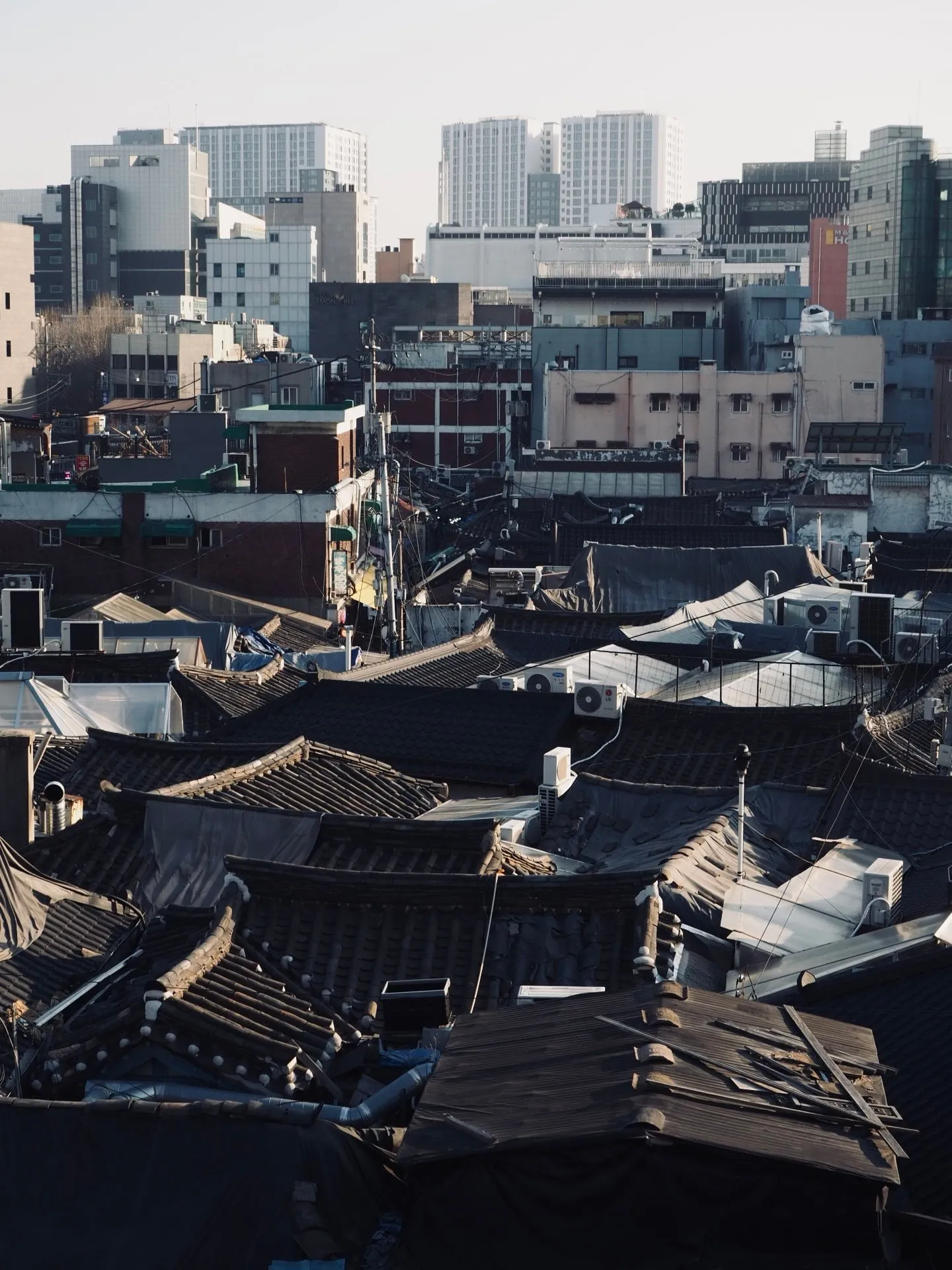
This neighbourhood combines traditional hanok architecture with trendy cafes and boutique shops. Its narrow alleys provide a good mix of compositions for lifestyle and street photography.
- How to Get There: Take Subway Line 5 to Jongno 3-ga Station, Exit 6.
- Summary: A picturesque mix of tradition and trend in narrow, bustling alleys.
- Tip: Go to the top of Wooz bakery in Ikseon-dong to get shots of the hanok alleyways with modern buildings in the background.
Mapo-gu:
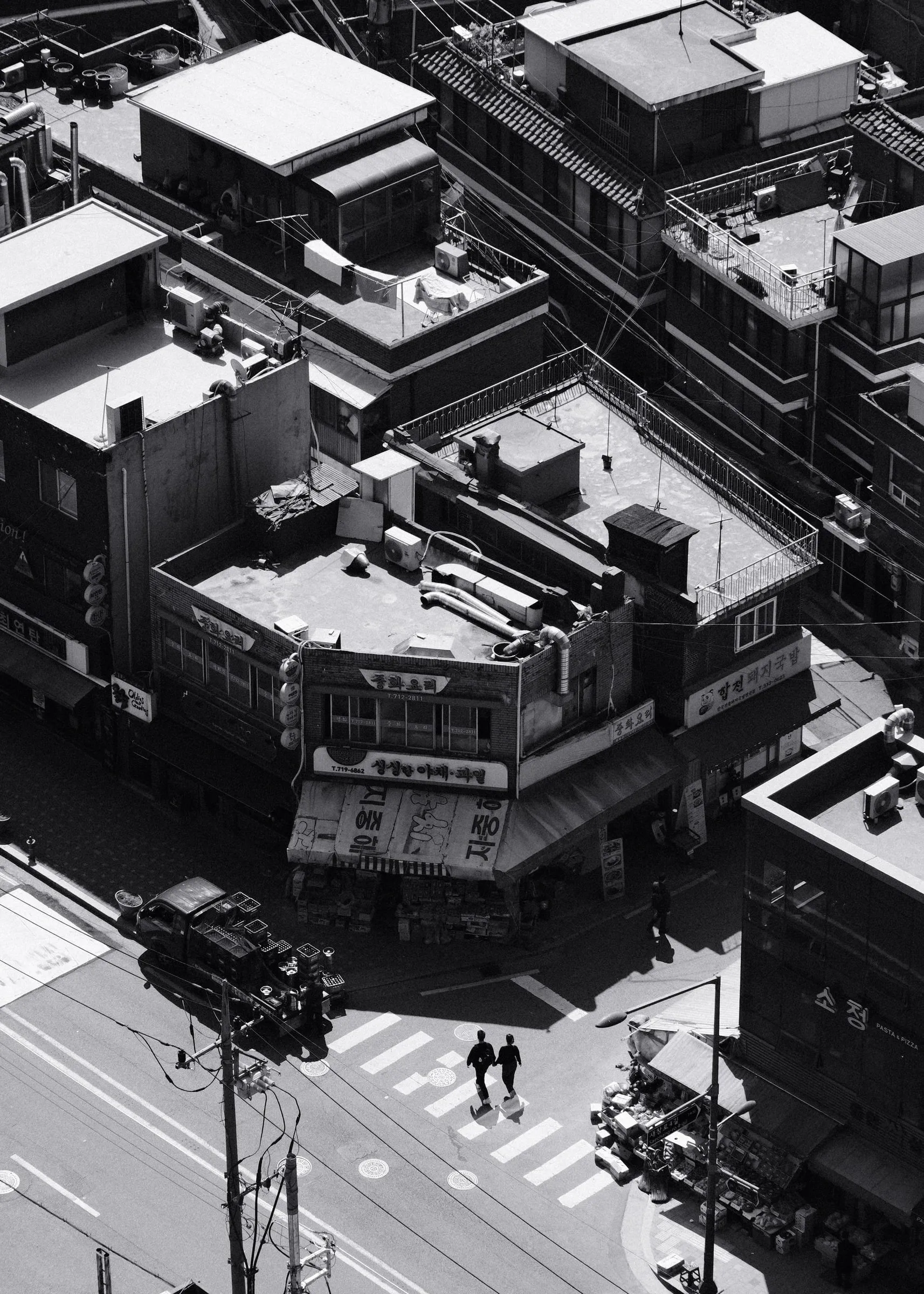
Vibrant street art, indie cafes, and the scenic Han River parks; Mapo-gu offers diverse photography opportunities for urban and natural landscapes. From some viewpoints you can get a bird’s-eye view of the area.
- How to Get There: Take Subway Line 6 to Mapo Station, Exit 2.
- Summary: A dynamic district featuring street art, indie cafes, and riverside scenery.
Euljiro:
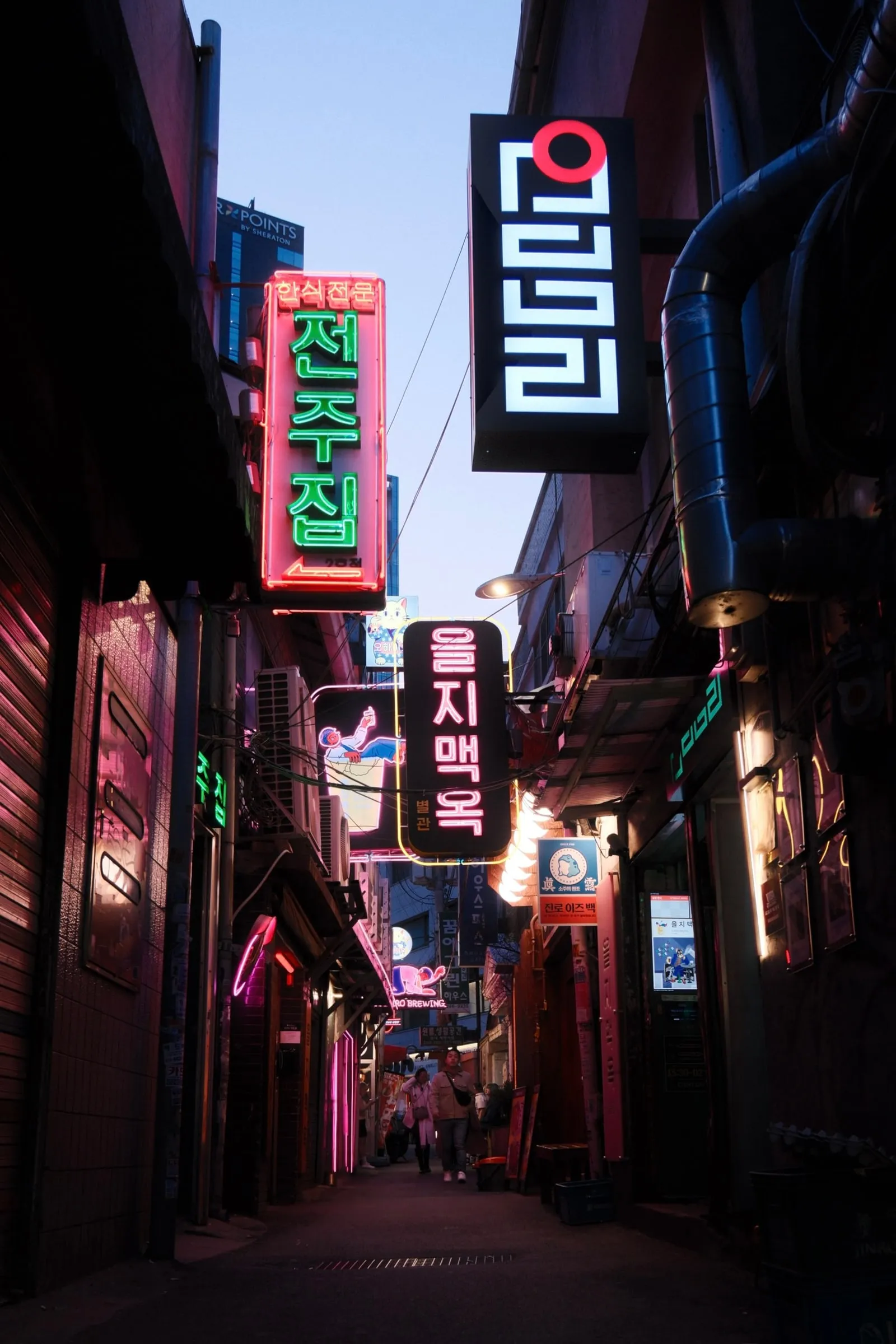
Known for its industrial vibe, narrow alleys, and vintage signs, Euljiro is a paradise for street photographers. The interplay of shadows and light in this area creates dramatic, cinematic shots.
- How to Get There: Take Subway Line 2 to Euljiro 3-ga Station, Exit 6.
- Summary: An industrial yet charming area with dramatic light and vintage aesthetics for unique street shots.
Hapjeong:
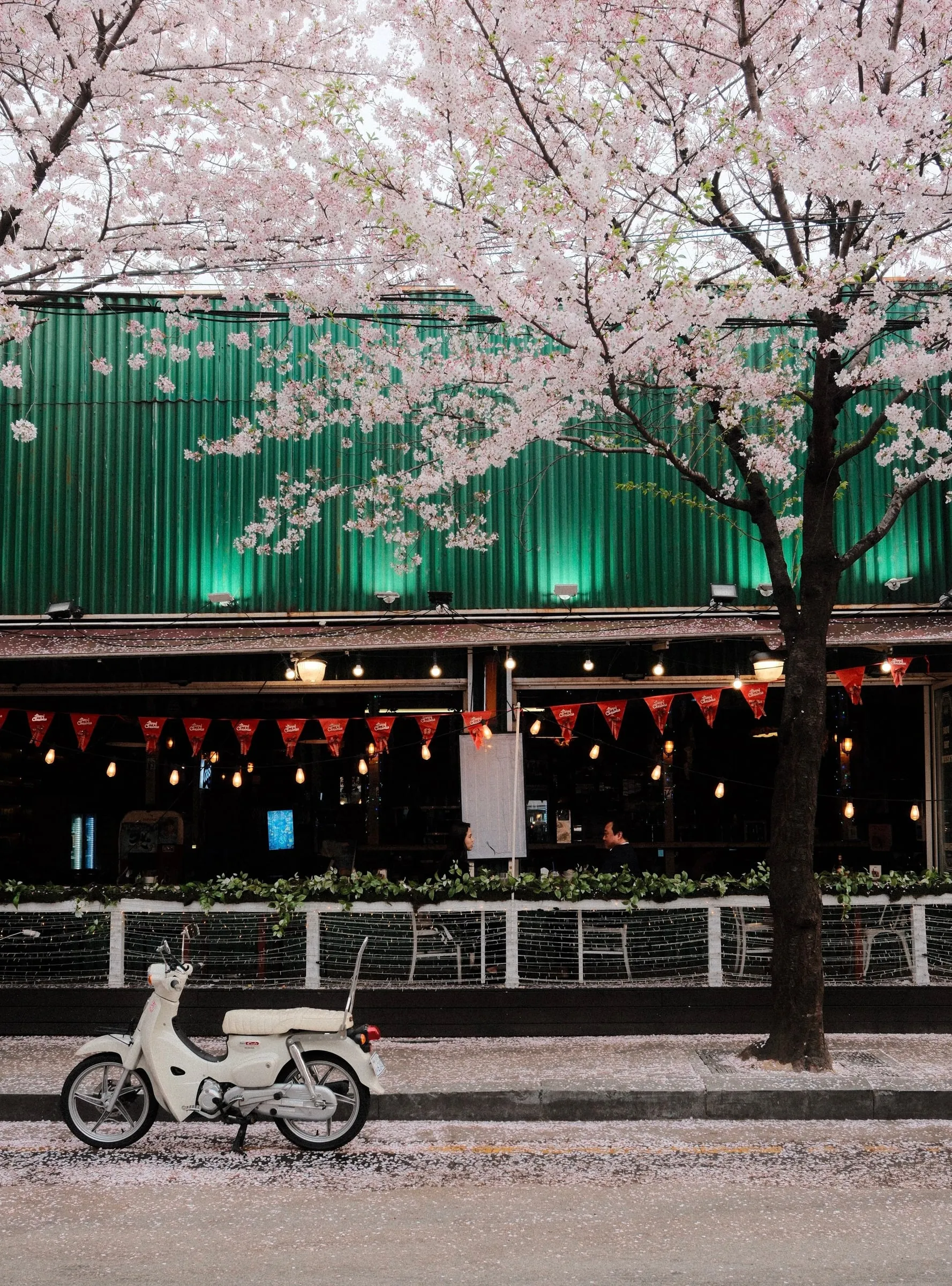
A quieter alternative to neighbouring Hongdae, Hapjeong offers a mix of modern cafes, indie boutiques, and stylish streets. The area is great for capturing urban lifestyle shots, architecture, and candid street scenes without the overwhelming crowds.
- How to Get There: Take Subway Line 2 or 6 to Hapjeong Station, Exit 3 or 5.
- Summary: A stylish and laid-back neighbourhood with a mix of modern design and indie charm.
- Tip: Head to the rooftop of Mangwon-dong’s “Cafe Layered” for a scenic view of Hapjeong’s cosy streets and a great composition of urban textures.
Summary:
To sum up, Seoul offers a diverse range of photography opportunities that highlight its blend of tradition and modernity.
From the cutting-edge design of Dongdaemun Design Plaza to the historical grandeur of Gyeongbokgung Palace, there is something for every photographer.
Locations like Euljiro and Gwangjang Market provide colourful and busy street scenes, while the steps of the National Museum of Korea offer an iconic perspective of Namsan Tower.
Additionally, the notable mentions of Ikseon Dong and Mapo-gu ensure there’s no shortage of variety for capturing Seoul’s charm.
Whether you’re drawn to traditional landmarks like Gyeongbokgung Palace or modern marvels like DDP, there’s plenty of incredible locations to explore. I hope this guide helps you plan your photography journey through Seoul and inspires you to capture its unique beauty.
If you’ve visited any of these locations, have other favourite photography spots in Seoul or have any questions, let me know… I’d be glad to hear from you.